

What Are the Benefits of Corporate Wellness Consulting for Employee Mental Health?
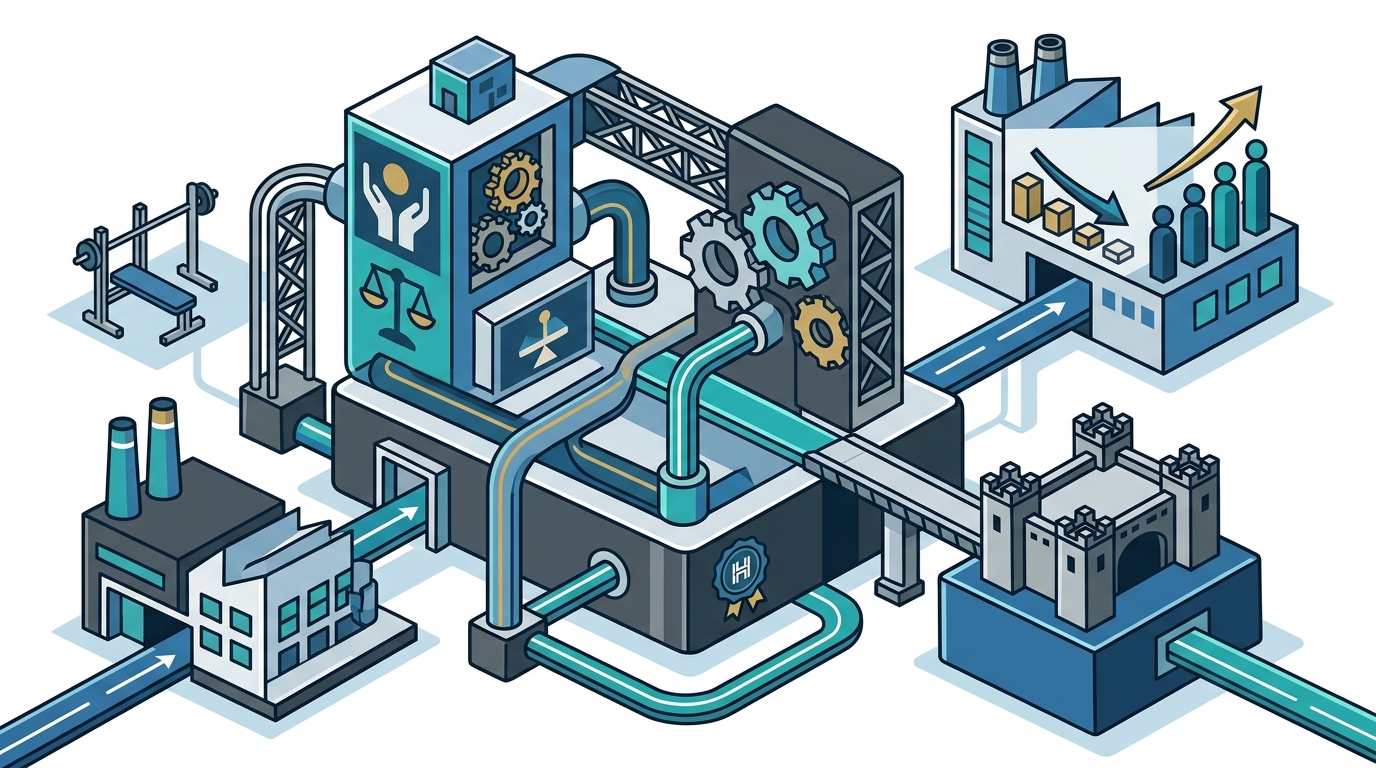
Corporate wellness consulting has evolved from a peripheral perk into a critical operational necessity. According to recent industry data, organizations that prioritize mental health infrastructure see a significant reduction in absenteeism and a measurable increase in workforce retention. The architecture of wellness is no longer just about gym memberships. It is about integrating clinical, legal, and strategic frameworks to support the whole employee. This guide explores how bespoke systems of care transform organizational culture and drive sustainable growth.
Defining Modern Wellness Consulting
Corporate wellness consulting is the practice of designing and implementing comprehensive mental health strategies tailored to specific organizational needs. Unlike generic wellness programs, consulting firms analyze the unique stressors, compliance requirements, and cultural dynamics of a company. The goal is to create a sustainable ecosystem where mental health is treated with the same rigor as physical safety.
Experiential therapy is a clinical method that uses active, engaging activities to help individuals process trauma and build resilience. When applied to corporate settings, these methods move beyond passive education. They create immersive experiences that foster genuine connection and psychological safety among teams. This approach is particularly effective for high-stress environments where traditional talk therapy may feel inaccessible or stigmatized.
The integration of legal and clinical expertise is a hallmark of advanced wellness consulting. Dr. Elisa Hallerman, founder of The Hallerman Group, emphasizes that true wellness requires a multidisciplinary perspective. By combining psychological insights with legal compliance and strategic business planning, consultants can address the root causes of workplace burnout rather than just the symptoms.
The Strategic Impact on Organizational Health
Investing in corporate wellness consulting yields tangible returns on investment. Companies that adopt structured mental health frameworks report lower turnover rates and higher employee engagement. The cost of replacing an employee can range from 50 to 200 percent of their annual salary. Preventing burnout through proactive consulting is far more cost-effective than reactive hiring and training.
One of the primary benefits is the enhancement of leadership capabilities. Wellness consultants often work directly with executive teams to model healthy behaviors. When leaders prioritize their own mental health and support their teams, it creates a ripple effect throughout the organization. This cultural shift reduces the stigma around seeking help and encourages open communication.
Furthermore, corporate wellness consulting helps organizations navigate complex regulatory landscapes. Mental health compliance is becoming increasingly stringent across various industries. Consultants ensure that companies meet these standards while maintaining a supportive and inclusive environment. This proactive stance mitigates legal risks and protects the company's reputation.
The Hallerman Group Approach to Corporate Wellness
The Hallerman Group offers a distinctive model for corporate wellness that focuses on the architecture of wellness. This philosophy integrates clinical, legal, and strategic elements to create bespoke systems of care. The firm works with organizations to identify specific pain points and develop targeted interventions.
A key component of this approach is the use of Soulbriety principles. Soulbriety is a holistic framework that connects emotional healing with professional purpose. By helping employees reconnect with their core values, consultants can reduce the dissonance that often leads to burnout. This method is particularly powerful for professionals in high-pressure industries such as entertainment, finance, and technology.
The Hallerman Group also emphasizes the importance of trauma-informed care in the workplace. Trauma is a psychological response to distressing events that can affect an individual's ability to function. By training staff and leadership in trauma-informed practices, companies can create a safer and more empathetic work environment. This training helps employees recognize signs of distress in themselves and others, fostering a culture of mutual support.
For organizations interested in exploring these methods, corporate wellness services are available to help tailor these strategies to your specific needs. The firm also provides resources for those looking to begin their personal journey, as outlined in Begin Your Journey.
Comparing Corporate Wellness Service Models
Not all corporate wellness solutions are created equal. Understanding the differences between various service models is crucial for making an informed decision. Below is a comparison of common approaches to help you identify the best fit for your organization.
| Service Model | Primary Focus | Best For | Key Benefit |
|---|---|---|---|
| Bespoke Consulting | Customized strategic frameworks | Enterprises with unique cultural needs | High alignment with business goals |
| Standard EAPs | Reactive crisis management | Organizations with limited budgets | Immediate access to counseling |
| Experiential Therapy | Active engagement and processing | High-stress teams needing connection | Deep psychological impact |
| Wellness Apps | Self-guided digital resources | Remote or distributed workforces | Scalability and accessibility |
While standard Employee Assistance Programs (EAPs) provide essential reactive support, they often lack the proactive, strategic depth needed to prevent burnout. Bespoke consulting, on the other hand, works to build resilience from the ground up. This proactive approach is essential for long-term organizational health.
Experiential therapy offers a unique advantage by engaging employees in active processes. This method is particularly effective for teams that struggle with communication or trust issues. By participating in guided activities, employees can build stronger relationships and develop coping mechanisms that they can apply in their daily work.
For more information on the specific methodologies used by The Hallerman Group, you can review the Dr. Hallerman Bio to understand the foundational expertise behind these services.
Key Takeaways
- Corporate wellness consulting reduces absenteeism and turnover by addressing root causes of burnout.
- The Hallerman Group integrates clinical, legal, and strategic frameworks for comprehensive care.
- Experiential therapy provides active, engaging methods for processing trauma and building resilience.
- Soulbriety principles help employees reconnect with their purpose, reducing professional dissonance.
- Leadership modeling is critical for creating a culture of psychological safety.
- Proactive wellness strategies offer a higher ROI than reactive EAPs alone.
- Trauma-informed care training helps staff recognize and respond to distress effectively.
Frequently Asked Questions
How does corporate wellness consulting differ from an EAP?
Corporate wellness consulting is proactive and strategic, focusing on building long-term resilience and cultural change. EAPs are typically reactive, providing short-term counseling for immediate crises. Consulting firms like The Hallerman Group design bespoke systems that align with your company's specific goals and challenges.
What is the Soulbriety framework?
Soulbriety is a holistic approach that connects emotional healing with professional purpose. It helps individuals identify the underlying causes of their stress and addiction, allowing them to live a more authentic and balanced life. This framework is integrated into the corporate wellness services offered by The Hallerman Group.
Can wellness consulting help with leadership development?
Yes. Wellness consulting often includes leadership training to help executives model healthy behaviors. This creates a ripple effect throughout the organization, fostering a culture of empathy and support. Leaders who prioritize their mental health are better equipped to support their teams.
What is experiential therapy in a corporate setting?
Experiential therapy uses active, engaging activities to help individuals process emotions and build resilience. In a corporate context, these sessions can help teams build trust, improve communication, and develop coping mechanisms for high-stress environments.
How do I know if my company needs a wellness consultant?
If you are experiencing high turnover, increased absenteeism, or low employee engagement, a wellness consultant can help. They can assess your current culture and design a strategy to address these issues. For more information, visit the Contact Us page to schedule a consultation.
Is corporate wellness consulting only for large companies?
No. While large enterprises often benefit from bespoke consulting, smaller organizations can also gain significant value. Tailored wellness strategies can help small teams build resilience and maintain a healthy culture as they grow. The principles of the architecture of wellness apply to organizations of all sizes.
Start Building Your Wellness Architecture
Transforming your organization's approach to mental health requires a strategic partner who understands the complexities of modern work. The Hallerman Group offers the expertise and frameworks needed to create a sustainable, supportive workplace. Explore the The Hallerman Group website to learn more about our services and begin your journey toward a healthier, more resilient organization.