

How to Find Professional Support for Addiction Recovery and Trauma
According to the National Institute on Drug Abuse, approximately 29 million people in the United States meet the criteria for a substance use disorder. This statistic highlights a critical reality: addiction and trauma are rarely isolated issues. They are complex, intertwined conditions that require specialized, integrated care. Finding the right professional support is not just about locating a therapist; it is about identifying a partner who understands the architecture of wellness. This guide provides a structured approach to navigating the recovery landscape, ensuring you or your loved one receives evidence-based, compassionate care.
Understanding the Trauma-Addiction Connection
Before diving into the logistics of finding help, it is essential to understand why traditional methods often fail. Trauma is not merely a past event; it is a physiological and psychological imprint that alters how the brain processes stress and reward. Addiction, in many cases, is a coping mechanism for that unprocessed pain.
Trauma is a psychological response to a distressing event. When left untreated, it creates a cycle where individuals use substances to numb emotional pain. Conversely, addiction is a chronic brain disease characterized by compulsive substance use. This dual diagnosis requires a provider who can address both the root cause (trauma) and the symptom (addiction) simultaneously.
Research indicates that individuals with co-occurring disorders have higher relapse rates when treated for only one condition. Therefore, the search for support must prioritize integrated care models. This means looking for professionals who do not view addiction and trauma as separate entities but as interconnected parts of a whole person.
Types of Professional Support Available
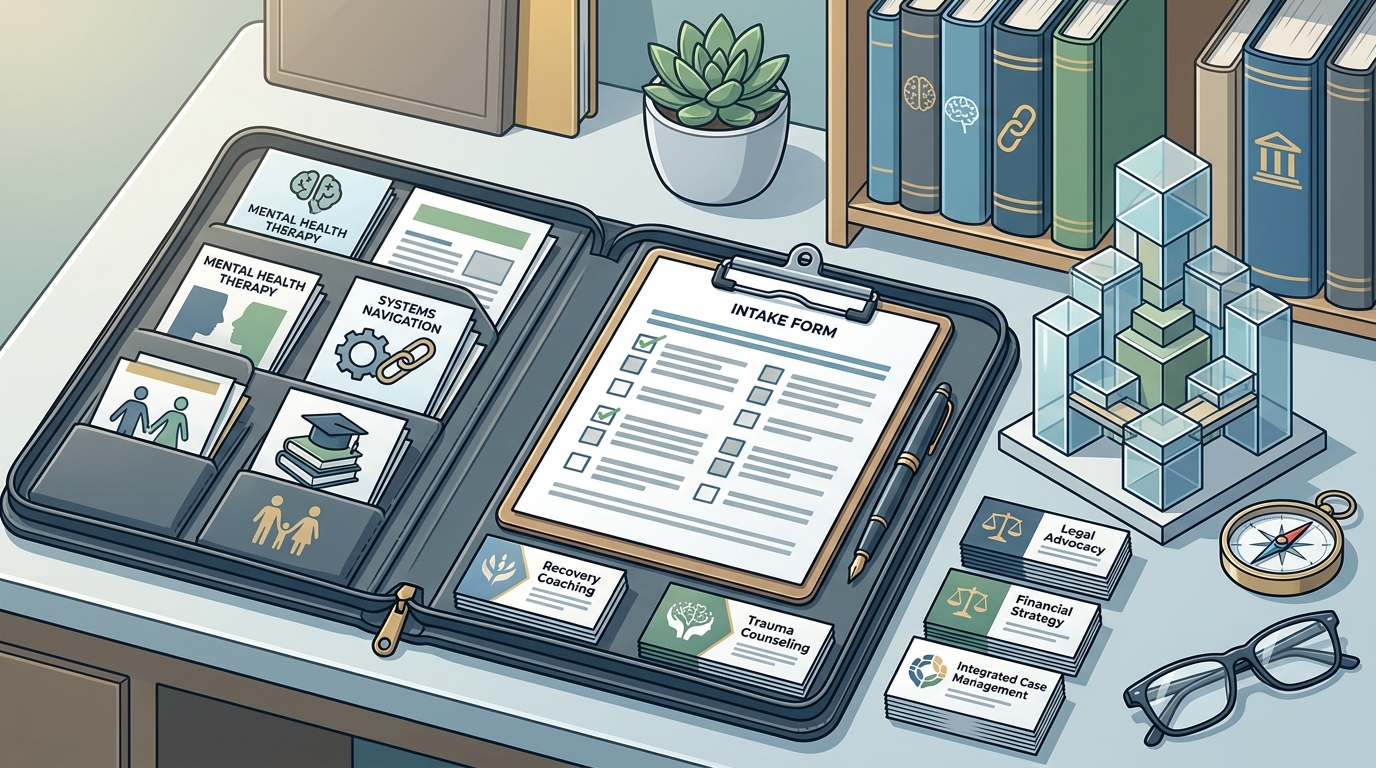
The landscape of recovery support is vast. Knowing the differences between service types allows you to make informed decisions about your care path. Below is a breakdown of the primary modalities available.
1. Clinical Therapy and Counseling
Licensed therapists, psychologists, and clinical social workers provide one-on-one or group therapy. Modalities such as Cognitive Behavioral Therapy (CBT) and Eye Movement Desensitization and Reprocessing (EMDR) are gold standards for trauma processing. These professionals help individuals reframe negative thought patterns and process traumatic memories safely.
2. Experiential Therapy
Experiential therapy uses active, non-verbal techniques to help individuals explore their emotions. This can include art therapy, equine-assisted therapy, or somatic experiencing. These methods are particularly effective for those who struggle to articulate their trauma through traditional talk therapy alone.
3. Corporate Wellness and Preventative Care
For high-performing individuals, addiction often stems from burnout and chronic stress. Corporate wellness programs are designed to identify early signs of substance misuse and provide preventative interventions. These programs focus on resilience building and stress management before a crisis occurs.
4. Legal and Strategic Advocacy
In some cases, addiction intersects with legal challenges or career crises. Professionals who hold both clinical and legal credentials can provide a unique perspective. They understand the systemic pressures that contribute to addiction and can offer strategic guidance alongside clinical care.
Evaluating Providers and Credentials
Not all providers are equipped to handle complex trauma and addiction. When evaluating potential support systems, consider the following criteria:
- Integrated Philosophy: Does the provider view trauma and addiction as linked? Look for language around "holistic" or "integrated" care.
- Credentials: Verify licenses (PhD, PsyD, LCSW, LMFT) and specialized certifications in trauma (e.g., EMDR, Somatic Experiencing).
- Personal Experience: Many experts in this field have personal recovery journeys. This lived experience can foster deeper empathy and understanding, but it must be balanced with professional rigor.
- Customization: Avoid one-size-fits-all programs. The best care is bespoke, tailored to your specific history, goals, and lifestyle.
According to the Substance Abuse and Mental Health Services Administration, personalized treatment plans significantly improve long-term recovery outcomes. This underscores the importance of finding a provider who listens and adapts to your unique needs.
The Hallerman Group Approach
The Hallerman Group, founded by Dr. Elisa Hallerman, PhD, JD, offers a distinct model for those seeking high-level, integrated care. Dr. Hallerman’s background as a former Hollywood agent and her personal journey with addiction inform a unique perspective on recovery.
Soulbriety is a proprietary framework that integrates spiritual, clinical, and legal perspectives. This model moves beyond traditional addiction treatment by addressing the "architecture of wellness." It recognizes that true recovery requires healing the soul, not just the brain.
Why This Model Works
Dr. Hallerman’s approach is particularly effective for high-achieving individuals who may feel stigmatized by traditional recovery models. By combining clinical expertise with strategic life coaching and legal insight, the Hallerman Group provides a comprehensive support system. This is not just about stopping substance use; it is about rebuilding a life of purpose and meaning.
For those ready to explore this path, the Begin Your Journey page offers resources to connect with Dr. Hallerman directly. Whether through one-on-one sessions or exploring the Soulbriety framework, the goal is to reconnect with your authentic self.
Corporate Wellness Services
The Hallerman Group also extends its expertise to organizations through Corporate Wellness programs. These services help companies create cultures of mental health awareness, reducing the stigma around addiction and providing early intervention for employees.
Key Takeaways
- Integrated Care is Essential: Treating trauma and addiction separately often leads to relapse. Seek providers who address both simultaneously.
- Credentials Matter: Look for PhD, JD, or licensed clinical credentials with specialized trauma training.
- Personalized Approach: Avoid generic programs. The best care is tailored to your specific life context and goals.
- Lived Experience Adds Value: Providers with personal recovery journeys often bring deeper empathy and practical insight.
- Prevention is Key: Corporate wellness and early intervention can prevent addiction from taking hold in high-stress environments.
- Soulbriety Framework: This model offers a unique blend of spiritual, clinical, and legal support for comprehensive healing.
- Take Action: If you are struggling, reach out to a professional. The Contact Us page is a starting point for those ready to begin their journey.
Frequently Asked Questions
What is the difference between addiction treatment and trauma therapy?
Addiction treatment focuses on stopping substance use and managing withdrawal. Trauma therapy focuses on processing past distressing events. Integrated care addresses both, recognizing that trauma often drives addiction.
How do I know if I need a specialist in both trauma and addiction?
If you have a history of adverse life events alongside substance misuse, you likely need integrated care. Standard addiction treatment may not address the root causes of your behavior.
What is Soulbriety?
Soulbriety is a framework developed by Dr. Elisa Hallerman that combines clinical psychology, legal strategy, and spiritual healing to create a holistic path to recovery.
Can corporate wellness programs help with addiction?
Yes. Corporate wellness programs focus on prevention, stress management, and early intervention, which can reduce the risk of addiction in high-pressure environments.
Is it safe to seek help online?
Yes, many reputable providers offer telehealth services. Ensure the provider is licensed in your state and uses secure, HIPAA-compliant platforms.
What should I look for in a therapist?
Look for licensed professionals with specialized training in trauma (e.g., EMDR, Somatic Experiencing) and addiction. Personal rapport and trust are also critical.
How does Dr. Hallerman’s background help clients?
Dr. Hallerman’s experience as a former Hollywood agent and her personal recovery journey allow her to understand the unique pressures faced by high-achieving individuals.
Where can I find more resources?
The Blog section of the Hallerman Group website offers articles and insights on mental health, addiction, and recovery.
Begin Your Journey to Healing
Finding the right support is the first step toward reclaiming your life. Whether you are seeking individual therapy, corporate wellness solutions, or a deeper exploration of the Soulbriety framework, professional help is available. Do not navigate this path alone. Connect with a specialist who understands the complexity of trauma and addiction.
Visit the Begin Your Journey page to explore how Dr. Elisa Hallerman and the Hallerman Group can support your path to wellness. Your soul knows the way; let us help you find it.