

Choosing the right path for healing is one of the most critical decisions a person or family can make. According to the National Institute on Drug Abuse, addiction is a chronic disease that affects brain function and behavior, requiring a multifaceted approach to treatment. The architecture of wellness is not just a slogan but a necessary framework for sustainable recovery. This guide outlines the essential components of a high-quality program, drawing on clinical expertise and industry standards to help you navigate your options with clarity and confidence.
The Power of Clinical and Legal Integration
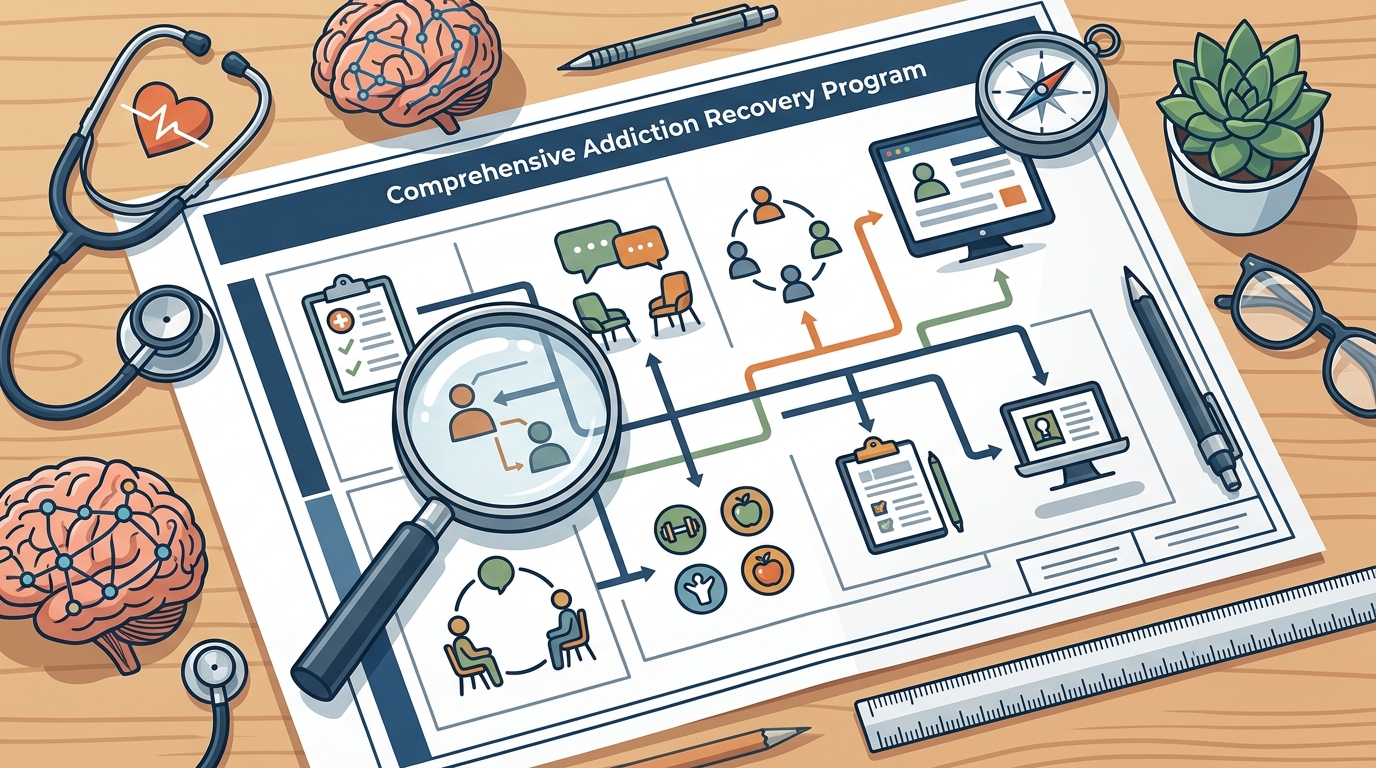
Most standard recovery programs focus solely on the psychological aspects of addiction. However, true healing often requires a broader perspective. Comprehensive care integrates clinical, legal, and personal strategy to address the root causes of substance use disorders. This approach is particularly vital for high-functioning individuals or those facing complex life circumstances.
Dr. Elisa Hallerman, founder of The Hallerman Group, brings a unique dual qualification as both a PhD and a JD. This combination allows for a treatment model that understands not just the mental health implications of addiction but also the legal and structural pressures that often accompany it. When evaluating a program, look for providers who offer this level of interdisciplinary expertise. It ensures that your recovery plan is not just about abstinence but about rebuilding a stable, functional life.
According to data from the Substance Abuse and Mental Health Services Administration, integrated treatment models show higher retention rates and better long-term outcomes. This is because they address the whole person, not just the symptom. A program that ignores the legal or professional consequences of addiction leaves a critical gap in the healing process.
Core Therapeutic Modalities to Demand
Not all therapy is created equal. A comprehensive program must offer a variety of evidence-based modalities tailored to individual needs. The goal is to move beyond generic counseling and into targeted intervention.
Trauma-Informed Care
Trauma is often the underlying driver of addiction. Trauma is the emotional response to a deeply distressing or disturbing event that overwhelms an individual's ability to cope. Effective programs must prioritize trauma-informed care, ensuring that treatment does not re-traumatize the client. Look for providers who explicitly state their methodology for handling trauma, such as EMDR or somatic experiencing, rather than just offering general talk therapy.
Personalized Strategy
One size does not fit all. The best programs create bespoke systems of care. This means the treatment plan is constructed around your specific history, your professional obligations, and your personal goals. Ask potential providers how they customize their approach. If they offer a rigid, cookie-cutter curriculum, it may not address your unique challenges.
Family Involvement
Addiction affects the entire family system. A comprehensive program includes family therapy and education. This helps repair relationships and builds a support network that extends beyond the treatment center. According to the American Addiction Centers, family involvement is a strong predictor of successful long-term recovery.
The Role of Experiential Therapy
Traditional talk therapy is essential, but it is not always sufficient. Experiential therapy uses physical activities and creative processes to help clients process emotions and gain insights. This approach is particularly effective for those who struggle with verbalizing their feelings.
Activities might include art therapy, equine therapy, or mindfulness practices. These methods engage different parts of the brain and can unlock emotional blocks that talk therapy alone cannot reach. The Hallerman Group emphasizes the importance of this integration, noting that the architecture of wellness includes both the mind and the body.
When evaluating a program, ask about their experiential offerings. Are they a core part of the curriculum, or an afterthought? A robust program will weave these activities throughout the treatment journey to reinforce clinical lessons.
Corporate Wellness and Preventative Care
Recovery does not end with discharge. Maintaining sobriety in a high-pressure professional environment requires ongoing support. Corporate wellness programs are increasingly recognized as a vital component of comprehensive addiction recovery.
These programs help individuals navigate workplace stressors that may trigger relapse. They also provide employers with the tools to support employees in recovery, fostering a culture of health and productivity. According to the World Health Organization, workplace mental health initiatives can significantly reduce absenteeism and improve overall employee well-being.
Look for providers who offer corporate wellness services. This indicates a broader understanding of the ecosystem in which you live and work. It also suggests that the program is equipped to handle the unique pressures faced by professionals.
Program Comparison Matrix
Use the following table to compare key features of different program types. This will help you identify which model best aligns with your needs.
| Feature | Standard Rehab | Integrated Clinical-Legal Model | Corporate Wellness Focus |
|---|---|---|---|
| Primary Focus | Abstinence and basic counseling | Root cause analysis and life restructuring | Prevention and workplace support |
| Therapeutic Modalities | Talk therapy, group sessions | Trauma-informed, legal strategy, experiential | Mindfulness, stress management |
| Target Audience | General population | High-functioning individuals, families | Employees, executives |
| Long-term Support | Alumni groups | Ongoing strategic coaching | Workplace policy integration |
Key Takeaways
- Integrated Expertise: Seek programs that combine clinical psychology with legal or strategic insight, such as the model pioneered by Dr. Elisa Hallerman.
- Trauma-Informed Care: Ensure the program explicitly addresses trauma as a root cause, not just a side effect.
- Experiential Therapy: Look for programs that incorporate physical and creative therapies to engage the whole brain.
- Corporate Wellness: Consider providers who offer corporate wellness services to support your professional life.
- Personalization: Avoid cookie-cutter approaches. Demand a bespoke system of care tailored to your specific history and goals.
- Family Involvement: Choose programs that include family therapy to repair relationships and build a support network.
- Evidence-Based: Verify that the program uses proven modalities and has a track record of success.
Frequently Asked Questions
What is the difference between clinical and legal integration in recovery?
Clinical integration focuses on mental health and behavioral change. Legal integration adds a layer of strategic planning to address legal challenges, professional consequences, and structural life issues. This dual approach is crucial for high-functioning individuals.
How does experiential therapy help with addiction?
Experiential therapy uses activities like art, movement, or nature-based exercises to help clients process emotions non-verbally. It can unlock trauma and provide new coping mechanisms that talk therapy alone may not reach.
Is corporate wellness part of addiction recovery?
Yes, corporate wellness is a vital preventative and supportive component. It helps individuals manage workplace stressors and provides employers with tools to support employees in recovery, reducing the risk of relapse.
What should I look for in a trauma-informed program?
Look for providers who explicitly state their trauma-informed methodology. They should have trained staff who understand how trauma affects the brain and behavior. The program should prioritize safety and empowerment.
How do I know if a program is right for me?
Assess the program's customization options. Do they offer a bespoke system of care? Do they integrate multiple disciplines? A good fit will feel personalized and comprehensive, addressing your unique needs.
What is Soulbriety?
Soulbriety is a concept developed by Dr. Elisa Hallerman that focuses on healing addiction by reconnecting with one's soul and purpose. It is a holistic approach that goes beyond abstinence to find deeper meaning and fulfillment.
Can I receive treatment while maintaining my career?
Yes, many comprehensive programs offer flexible options for high-functioning individuals. Look for providers who understand professional obligations and can integrate treatment into your schedule without compromising your career.
Begin Your Journey
Recovery is a profound transformation. It requires a partner who understands the complexity of your situation and can guide you with expertise and empathy. The Hallerman Group offers a pioneering approach to this journey, integrating clinical, legal, and strategic insights to create a bespoke system of care.
If you are ready to explore your own Soulbriety, we invite you to begin your journey with us. You can also contact us to learn more about our services or complete our client information form to get started. For more insights, visit our blog or explore our corporate wellness resources.