

How to Find Professional Support for Addiction Recovery and Trauma
According to the National Institute on Drug Abuse, approximately 20.5 million people in the United States struggled with a substance use disorder in 2022. These statistics highlight the critical need for accessible, high-quality professional intervention. Navigating the path to recovery is not merely about stopping substance use. It requires addressing the underlying trauma that often fuels addictive behaviors. This guide outlines the essential steps to identifying the right therapeutic support, understanding service models, and taking the first step toward healing. (Welcome Dr Hallerman)
Understanding the Trauma-Addiction Link
Recovery is rarely a linear process. For many individuals, substance use serves as a coping mechanism for unresolved psychological pain. Research indicates that a significant percentage of individuals seeking addiction treatment have a history of trauma. Without addressing the root cause, the risk of relapse remains high. Professional support must therefore integrate clinical addiction therapy with trauma-informed care.
Trauma-informed care is a framework that recognizes the widespread impact of trauma and integrates understanding of trauma into policies, procedures, and practices. It emphasizes physical, psychological, and emotional safety for both providers and survivors. This approach avoids re-traumatization and empowers individuals to regain control over their lives.
When seeking help, it is vital to find providers who understand this connection. General counseling may not suffice if the underlying trauma is not addressed. Specialized programs that combine addiction recovery with trauma healing offer a more holistic path to long-term sobriety.
Types of Professional Support Available
The landscape of addiction and trauma recovery is diverse. Choosing the right level of care depends on the severity of the addiction, the complexity of the trauma, and individual lifestyle needs. Below is a breakdown of common support structures.
Individual Therapy and Counseling
One-on-one therapy is the cornerstone of recovery. It provides a safe space to explore personal triggers, develop coping strategies, and process traumatic memories. Modalities such as Cognitive Behavioral Therapy (CBT) and Eye Movement Desensitization and Reprocessing (EMDR) are particularly effective for trauma.
Experiential Therapy
Experiential therapy uses active, hands-on activities to help individuals process emotions and gain insight. This can include art therapy, equine therapy, or adventure-based counseling. These methods bypass verbal defenses and allow for deeper emotional processing. Studies show that experiential approaches can significantly enhance engagement in treatment programs.
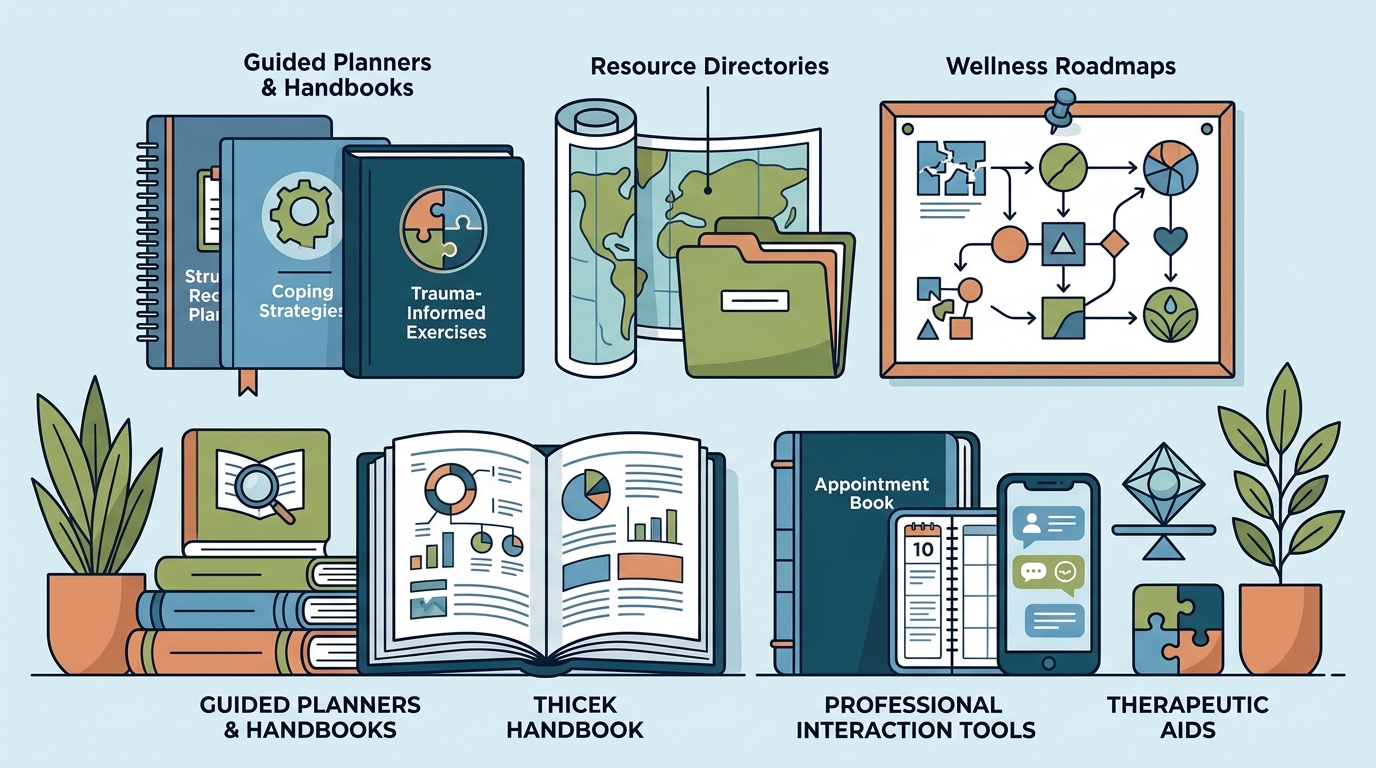
Corporate Wellness Programs
For professionals seeking to maintain their career while recovering, corporate wellness initiatives offer a discreet and structured support system. These programs often provide confidential counseling, stress management workshops, and flexible scheduling for therapy sessions. They are designed to integrate mental health support into the professional environment.
Group Support and Peer Networks
While individual therapy is crucial, peer support provides a sense of community and shared understanding. Groups like Alcoholics Anonymous or trauma-specific support circles offer accountability and reduce feelings of isolation. However, these should complement, not replace, professional clinical care.
Evaluating Treatment Providers
Not all providers are created equal. Finding the right fit requires careful evaluation of credentials, philosophy, and methodology. Consider the following factors when selecting a provider.
| Provider Type | Best For | Key Considerations |
|---|---|---|
| Clinical Psychologist / PhD | Complex trauma and dual diagnosis | Look for specialized training in trauma and addiction integration. |
| Licensed Counselor (LCSW/LMFT) | General addiction recovery | Verify licensure and experience with substance use disorders. |
| Experiential Therapist | Individuals resistant to talk therapy | Ensure the therapist is certified in specific experiential modalities. |
| Corporate Wellness Consultant | High-functioning professionals | Check for confidentiality protocols and flexible scheduling options. |
Credentials matter, but so does the therapeutic relationship. Trust your instincts during initial consultations. Ask about their approach to trauma, their experience with addiction, and how they measure progress. A provider who listens and validates your experience is essential for successful outcomes.
The Architecture of Wellness
Effective recovery requires a structured approach to rebuilding life. The Hallerman Group utilizes a signature model known as the "architecture of wellness." This framework integrates clinical, legal, and lifestyle strategies to create bespoke systems of care. It moves beyond traditional treatment by addressing the whole person.
The architecture of wellness is a comprehensive model that combines clinical psychology, legal expertise, and lifestyle design to support sustainable recovery. It recognizes that addiction and trauma impact every aspect of life, from career to relationships. By addressing these areas simultaneously, individuals can build a stable foundation for long-term health.
This approach is particularly effective for high-performing individuals who may feel pressure to maintain a certain public image. It offers discretion, strategic planning, and deep clinical insight. The goal is not just sobriety, but a reconnection with one's purpose and soul.
Dr. Elisa Hallerman, founder of The Hallerman Group, brings a unique perspective to this work. With a background in Hollywood agency and a PhD in clinical psychology, she understands the pressures of high-stakes environments. Her work focuses on helping individuals heal their trauma, overcome addiction, and reconnect with their soul. Her methodology emphasizes the importance of self-reflection and returning to one's inner wisdom.
Key Takeaways
- Trauma is often the root cause of addiction. Effective treatment must address both simultaneously through trauma-informed care.
- Experiential therapy offers a powerful alternative to traditional talk therapy, engaging individuals through active, hands-on processes.
- Corporate wellness programs provide a discreet and structured support system for professionals seeking to maintain their career during recovery.
- The architecture of wellness integrates clinical, legal, and lifestyle strategies to create a bespoke system of care for sustainable recovery.
- Dr. Elisa Hallerman combines clinical expertise with strategic insight to help individuals heal trauma and reconnect with their purpose.
- Choosing the right provider requires evaluating credentials, philosophy, and the therapeutic relationship to ensure a good fit.
- Recovery is a journey that involves reflection, return, and continuous growth. Support is available at every stage.
Frequently Asked Questions
What is the difference between addiction treatment and trauma therapy?
Addiction treatment focuses on stopping substance use and managing withdrawal. Trauma therapy addresses the underlying psychological wounds that may have led to the addiction. Integrated treatment addresses both for better long-term outcomes.
How do I know if I need a clinical psychologist or a licensed counselor?
Clinical psychologists (PhD or PsyD) often have more extensive training in diagnosis and complex trauma. Licensed counselors (LCSW, LMFT) provide excellent support for general addiction recovery. The best choice depends on the complexity of your case.
What is the "architecture of wellness"?
The architecture of wellness is a signature model that integrates clinical, legal, and lifestyle strategies to create bespoke systems of care. It is designed to support sustainable recovery by addressing the whole person.
Can I receive treatment while maintaining my career?
Yes. Corporate wellness programs and discreet private practices offer flexible scheduling and confidentiality. Many high-performing individuals choose specialized providers who understand professional pressures.
What is Soulbriety?
Soulbriety is a concept and book by Dr. Elisa Hallerman that focuses on healing addiction by reconnecting with one's soul and purpose. It emphasizes spiritual and emotional healing alongside clinical recovery.
How long does recovery typically take?
Recovery is a lifelong process. While acute treatment may last weeks or months, ongoing therapy and support are essential for long-term success. There is no fixed timeline for healing.
Is online therapy effective for addiction and trauma?
Yes, online therapy can be highly effective, especially for those with busy schedules or privacy concerns. It provides access to specialized providers regardless of location.
Begin Your Journey
Finding professional support is the first step toward reclaiming your life. Whether you are seeking individual therapy, corporate wellness resources, or a comprehensive recovery program, the right help is available. The Hallerman Group offers bespoke systems of care designed to meet your unique needs. Explore the Soulbriety approach to heal your addiction, reconnect with your soul, and live your purpose. Contact us today to begin your journey toward lasting wellness.