

Understanding the Architecture of Wellness: A Guide to Soulbriety
The concept of wellness has evolved significantly from simple physical health metrics to a holistic integration of mental, emotional, and spiritual well-being. According to recent industry analyses, the global wellness economy has surpassed $5 trillion, reflecting a massive shift in how individuals prioritize their long-term health and resilience. This growth is not merely about avoiding illness but about constructing a sustainable framework for living. At the forefront of this movement is the "architecture of wellness," a pioneering model that integrates clinical expertise, legal strategy, and personal transformation. This guide explores how this framework operates, the role of Soulbriety in healing, and the resources available for those seeking to rebuild their lives.
What is the Architecture of Wellness?
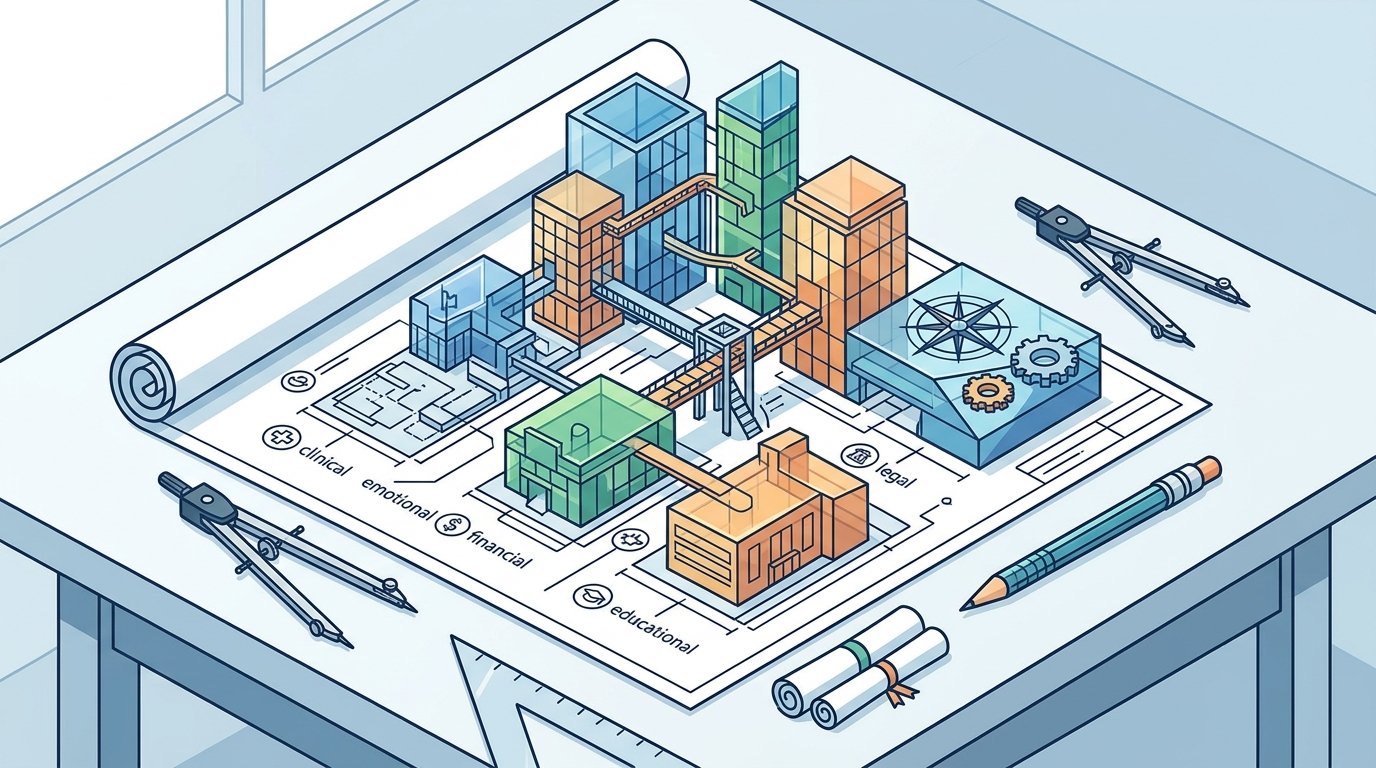
The architecture of wellness is not a static checklist of healthy habits. It is a dynamic, bespoke system of care designed to address the complex interplay between trauma, addiction, and mental health. This model recognizes that true recovery requires more than just symptom management. It demands a structural rebuild of one's life foundation.
At its core, the architecture of wellness is a strategic approach to healing. It combines the precision of clinical psychology with the protective boundaries of legal strategy. This dual approach ensures that individuals are not only emotionally supported but also legally and practically secure during their recovery journey. The framework is particularly effective for high-functioning individuals who have struggled with addiction while maintaining professional responsibilities.
By viewing wellness as an architectural project, practitioners can identify weak points in a client's support system and reinforce them. This might involve restructuring family dynamics, establishing new professional boundaries, or creating daily rituals that promote stability. The goal is to create a resilient structure that can withstand the pressures of modern life without collapsing into old patterns of behavior.
The Soulbriety Framework Explained
Soulbriety is a proprietary methodology developed by Dr. Elisa Hallerman that serves as the spiritual and emotional cornerstone of the architecture of wellness. It moves beyond traditional abstinence models by focusing on reconnection with one's soul and purpose. This approach is particularly relevant for those who feel disconnected from their authentic selves due to trauma or addiction.
Soulbriety is a holistic healing model that integrates spiritual reconnection with clinical recovery strategies. It posits that addiction is often a symptom of a deeper spiritual disconnection. By addressing this root cause, individuals can find lasting sobriety and fulfillment. The framework encourages clients to explore their inner world with curiosity and compassion, rather than judgment.
The process involves several key components. First, it requires a deep dive into personal history to identify trauma points. Second, it involves the development of new narratives that empower the individual. Finally, it establishes a daily practice of soul connection, which might include meditation, journaling, or creative expression. This holistic approach ensures that recovery is not just about stopping a behavior but about starting a new way of living.
Integrating Clinical and Legal Perspectives
One of the unique aspects of the Hallerman Group's approach is the integration of clinical and legal expertise. This is particularly valuable for individuals in high-stakes professions or those facing legal challenges related to addiction. The intersection of these fields provides a comprehensive safety net for clients.
Clinical expertise ensures that the psychological aspects of addiction are treated with evidence-based therapies. This includes cognitive behavioral therapy, trauma-informed care, and family systems therapy. Legal expertise, on the other hand, addresses the practical consequences of addiction, such as custody issues, employment law, and regulatory compliance. By combining these perspectives, the architecture of wellness offers a complete solution to complex problems.
This integrated approach is crucial for preventing relapse. When legal pressures are unresolved, they can trigger significant stress and anxiety, which are common triggers for addiction. By addressing these legal concerns proactively, clients can reduce their stress levels and focus on their healing. This dual support system is a hallmark of the Hallerman Group's methodology.
Corporate Wellness and Team Dynamics
The architecture of wellness extends beyond individual clients to include corporate wellness programs. In today's high-pressure work environment, employee burnout and mental health issues are significant concerns for organizations. The Hallerman Group offers specialized services to help companies create healthier workplace cultures.
Corporate wellness initiatives are designed to support employees in managing stress and preventing burnout. These programs often include workshops on resilience, leadership training, and confidential counseling services. By investing in the mental health of their workforce, companies can improve productivity, reduce turnover, and enhance their overall reputation.
Experiential therapy is also used in corporate settings to help teams build trust and improve communication. These activities allow employees to step outside their usual roles and connect on a deeper level. This can lead to more effective collaboration and a stronger sense of community within the organization. The architecture of wellness provides the tools for organizations to support their employees holistically.
The Role of Experiential Therapy
Experiential therapy is a critical component of the architecture of wellness. It involves using active, hands-on methods to help clients process emotions and gain insights. This approach is particularly effective for those who struggle with traditional talk therapy.
Experiential therapy is a therapeutic approach that uses active engagement to facilitate emotional processing and healing. It might include activities such as role-playing, art therapy, or outdoor adventures. These experiences allow clients to express themselves in new ways and gain a deeper understanding of their behaviors.
The Hallerman Group utilizes experiential therapy to help clients break through resistance and access deeper truths. By engaging the body and the senses, this method bypasses intellectual defenses and speaks directly to the emotional core. This can lead to rapid breakthroughs and lasting change. It is a powerful tool in the architecture of wellness toolkit.
Key Resources for Recovery
For those interested in exploring the architecture of wellness, several resources are available. These include books, podcasts, and direct services from the Hallerman Group. Each resource offers a unique perspective on healing and recovery.
| Resource Type | Description | Access Link |
|---|---|---|
| Book | Soulbriety: Heal Your Addiction, Reconnect with Your Soul, and Live Your Purpose provides a comprehensive plan for healing. | Begin Your Journey |
| Podcast | Interviews with experts on mental health, addiction, and lifestyle changes. | Blog & Media |
| Consultation | One-on-one sessions with Dr. Elisa Hallerman for personalized care. | Contact Us |
| Corporate Services | Wellness programs tailored for organizations and teams. | Corporate Wellness |
Key Takeaways
- The architecture of wellness is a bespoke system integrating clinical, legal, and spiritual care.
- Soulbriety is a proprietary framework focusing on soul reconnection and purpose.
- Dr. Elisa Hallerman combines her PhD and JD to offer unique dual-perspective support.
- Corporate wellness programs are essential for preventing employee burnout.
- Experiential therapy provides active, hands-on healing methods.
- Recovery is a structural rebuild of one's life foundation, not just symptom management.
- The global wellness economy's growth reflects a shift toward holistic health.
Frequently Asked Questions
What is the architecture of wellness?
The architecture of wellness is a pioneering model that integrates clinical, legal, and spiritual strategies to create bespoke systems of care for mental health and addiction recovery.
How does Soulbriety differ from traditional recovery?
Soulbriety focuses on reconnecting with one's soul and purpose, rather than just achieving abstinence. It addresses the spiritual disconnection that often underlies addiction.
Who is Dr. Elisa Hallerman?
Dr. Elisa Hallerman is a strategist, author, and founder of The Hallerman Group. She holds a PhD and a JD, allowing her to integrate clinical and legal expertise in her practice.
Does the Hallerman Group offer corporate services?
Yes, the group offers corporate wellness programs designed to support employee mental health and build resilient team dynamics.
What is experiential therapy?
Experiential therapy is a therapeutic approach that uses active, hands-on methods to help clients process emotions and gain insights in a non-traditional setting.
How can I begin my journey with Soulbriety?
You can begin by reading the book Soulbriety, listening to related podcasts, or scheduling a consultation with Dr. Hallerman to explore personalized one-on-one sessions.
Is the architecture of wellness suitable for high-functioning individuals?
Yes, the model is particularly effective for high-functioning individuals who need to maintain professional responsibilities while addressing underlying trauma and addiction.
Begin Your Journey
Understanding the architecture of wellness is the first step toward a transformed life. Whether you are seeking personal healing, corporate wellness solutions, or a deeper understanding of Soulbriety, the resources are available to guide you. Dr. Elisa Hallerman and The Hallerman Group are dedicated to helping you rebuild your foundation and reconnect with your purpose. Take the first step today by visiting the Begin Your Journey page to explore how these principles can apply to your unique situation.