

Modern mental health and addiction recovery are facing a critical inflection point. According to recent public health data, substance abuse and mental health crises have become the number one cause of death among individuals aged 18 to 45. This statistic highlights an urgent need for a more structured, strategic approach to healing that goes beyond traditional therapy models. The concept of the architecture of wellness offers a solution by integrating clinical, legal, and emotional disciplines into a single, cohesive strategy. (Contact Us 045 The)
What is the Architecture of Wellness?
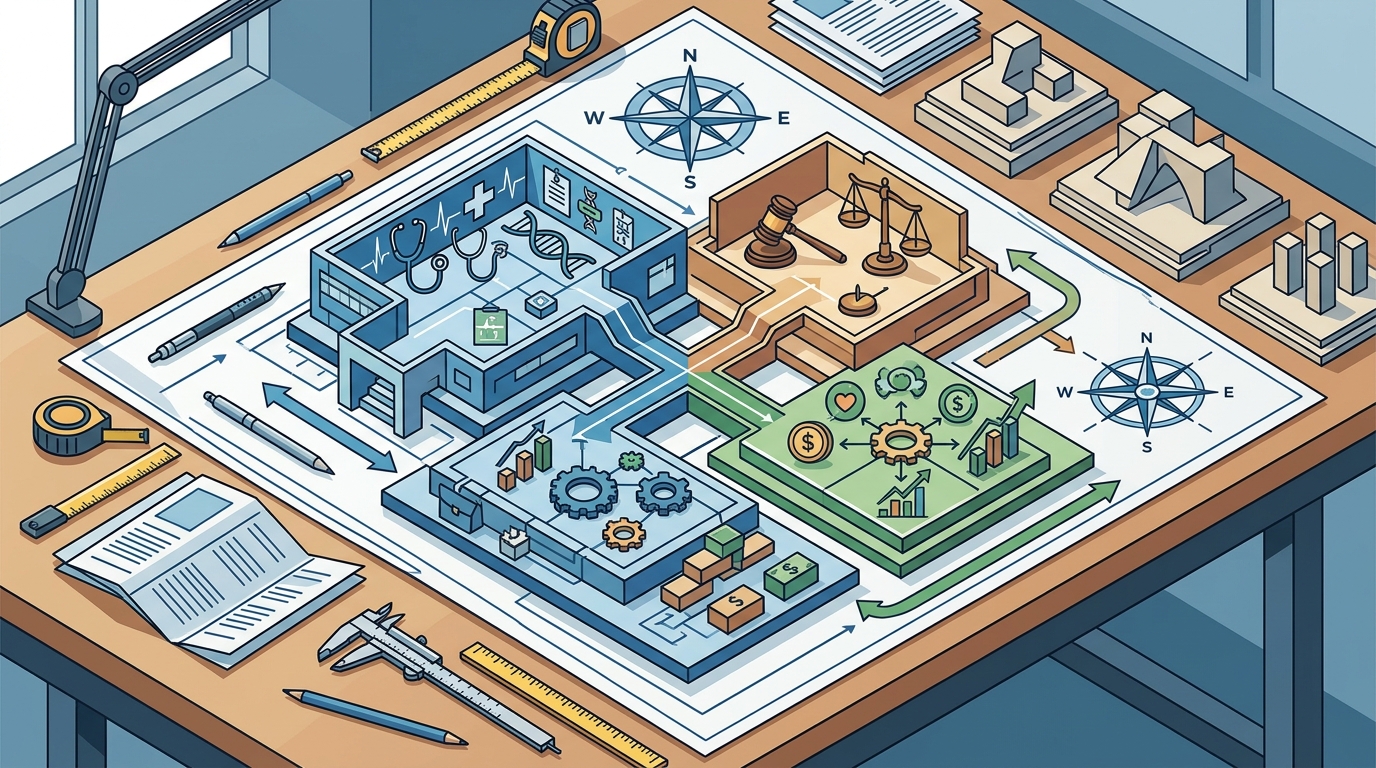
The architecture of wellness is a signature model designed to redefine how individuals and families approach mental health, addiction recovery, and trauma healing. It moves away from fragmented care where patients must navigate multiple disconnected providers. Instead, it treats wellness as a structural system that requires deliberate design. (Blog 045 The Hallerman)
Wellness is defined as the active process of becoming aware of and making choices toward a healthy and fulfilling life. However, in the context of complex trauma or addiction, standard wellness advice is often insufficient. The architecture of wellness provides the blueprint for lasting change, dignity, and wholeness. It functions less like a traditional medical appointment and more like a family office for wellness, offering discerning, confidential, and deeply informed support.
This approach is particularly vital in an era where the challenges of finding care are overwhelming. Time is of the essence when dealing with acute mental health crises. By viewing wellness as an architectural project, we can build frameworks that support long-term stability rather than just managing symptoms.
Strategic Integration of Disciplines
One of the core pillars of this model is the integration of diverse professional disciplines. Traditional case management firms often assign staff to coordinate logistics, but they rarely provide the strategic depth required for complex human systems. The architecture of wellness unites legal, clinical, and emotional perspectives into one actionable plan.
Dr. Elisa Hallerman, the founder of The Hallerman Group, brings dual expertise in law and depth psychology to this field. This unique combination allows for the design of strategic solutions that address the root causes of dysfunction. For example, a legal perspective might clarify custody or employment rights during recovery, while a clinical perspective addresses the psychological trauma. The emotional discipline ensures that the client feels heard and supported throughout the process.
This multi-disciplinary approach is essential because addiction and trauma do not exist in a vacuum. They impact legal standing, career trajectories, and family dynamics. A strategic framework that addresses all these areas simultaneously is far more effective than siloed interventions. This holistic view ensures that recovery is not just about abstinence, but about rebuilding a functional and meaningful life.
The Soulbriety Framework
At the heart of the architecture of wellness is the concept of Soulbriety. Soulbriety is a soul-centered approach to recovery from addiction and trauma. It posits that true healing requires reconnecting with one's inner purpose and spiritual identity, rather than just stopping harmful behaviors.
The Soulbriety framework encourages individuals to explore their own soul's journey. It involves a process of healing trauma, overcoming addiction, and reconnecting with the soul. This is not a passive process. It requires active engagement with one's inner world and a willingness to confront difficult truths.
Many individuals find that traditional recovery models leave them feeling empty or disconnected. Soulbriety addresses this by providing a plan that honors the spiritual dimension of healing. It recognizes that the soul has a natural inclination toward health and wholeness. By aligning with this inclination, individuals can find a deeper sense of purpose that sustains them through the challenges of recovery.
Resources for understanding Soulbriety include Dr. Hallerman's book, "Soulbriety: Heal Your Addiction, Reconnect with Your Soul, and Live Your Purpose." This work provides unflinching raw storytelling and experience, strength, and hope. It serves as a crucial guide for those seeking to understand the soul-centered path to liberation.
Corporate Wellness Applications
The architecture of wellness is not limited to individual clients. It also has significant applications in the corporate sector. Corporate wellness programs are increasingly recognizing the need for strategic, high-level support for employees dealing with mental health and addiction issues.
Traditional corporate wellness often focuses on generic stress management or fitness initiatives. However, the architecture of wellness offers a more robust solution. It provides bespoke systems of care that address the specific needs of high-performing individuals and families. This is particularly relevant for executives and professionals who face unique pressures and stigmas.
By integrating clinical, legal, and emotional support, corporate wellness programs can offer a level of care that is both discreet and effective. This helps organizations retain top talent and support their employees in navigating complex personal challenges. The result is a healthier, more resilient workforce that is better equipped to handle stress and adversity.
For organizations interested in this approach, exploring the Corporate Wellness resources can provide insight into how these strategic frameworks can be implemented. It is a proactive step toward creating a culture of wellness that goes beyond surface-level metrics.
Comparing Care Models
Understanding the architecture of wellness requires comparing it to other common care models. The table below outlines the key differences between traditional case management, concierge services, and the strategic architecture approach.
| Feature | Traditional Case Management | Concierge Service | Architecture of Wellness |
|---|---|---|---|
| Primary Focus | Logistics and coordination | Convenience and access | Strategic design and integration |
| Disciplines | Clinical only | Varies | Clinical, Legal, Emotional |
| Approach | Reactive | Service-oriented | Proactive and structural |
| Outcome | Managed symptoms | Access to providers | Lasting change and wholeness |
As shown in the comparison, the architecture of wellness stands apart by its strategic depth. It does not just manage the immediate crisis. It designs a framework for long-term resilience. This is why it is increasingly sought after by individuals and families who are ready for a transformative journey.
Key Takeaways
- The architecture of wellness integrates clinical, legal, and emotional disciplines into a single strategic framework.
- Substance abuse and mental health issues are a leading cause of death for individuals aged 18 to 45, highlighting the urgency of strategic care.
- Soulbriety is a soul-centered approach to recovery that emphasizes reconnecting with one's inner purpose.
- Dr. Elisa Hallerman combines expertise in law and depth psychology to design bespoke systems of care.
- Corporate wellness programs can benefit from this strategic approach to support high-performing employees.
- Traditional case management often lacks the strategic depth required for complex human systems.
- The Hallerman Group functions like a family office for wellness, offering discerning and confidential support.
Frequently Asked Questions
What is the difference between the architecture of wellness and traditional therapy?
Traditional therapy typically focuses on clinical interventions. The architecture of wellness adds legal and emotional strategic layers to create a comprehensive system of care that addresses the full scope of a client's challenges.
Who is Soulbriety for?
Soulbriety is designed for individuals seeking to heal from addiction and trauma by reconnecting with their soul. It is particularly effective for those who feel that traditional recovery models have left them feeling disconnected or unfulfilled.
How does The Hallerman Group differ from a case management firm?
Unlike case management firms that coordinate logistics, The Hallerman Group architects comprehensive systems of care. They integrate multiple disciplines to design strategic solutions for complex human systems.
Is the architecture of wellness applicable to corporate clients?
Yes. The Hallerman Group offers corporate wellness services that provide bespoke systems of care for employees dealing with mental health and addiction issues, focusing on strategic integration and long-term resilience.
What resources are available to learn more about Soulbriety?
Resources include Dr. Hallerman's book "Soulbriety," live monthly Q&A sessions, and one-on-one sessions with Dr. Hallerman to experience the practices of Soulbriety firsthand.
Can this approach help with family dynamics?
Absolutely. The architecture of wellness is designed to help individuals and families approach mental health and addiction recovery together, providing a cohesive strategy for lasting change and wholeness.
What is the role of legal expertise in wellness?
Legal expertise helps navigate the complex legal implications of addiction and trauma, such as custody, employment, and regulatory issues, ensuring that recovery is supported by a solid legal framework.
Begin Your Journey
If you are ready to explore the architecture of wellness and begin your journey toward healing, The Hallerman Group is here to guide you. We invite you to Begin Your Journey by exploring our resources, reading "Soulbriety," or scheduling a consultation. Take the first step toward a strategic, soul-centered approach to your well-being today.