

How to Find Professional Support for Addiction Recovery and Trauma
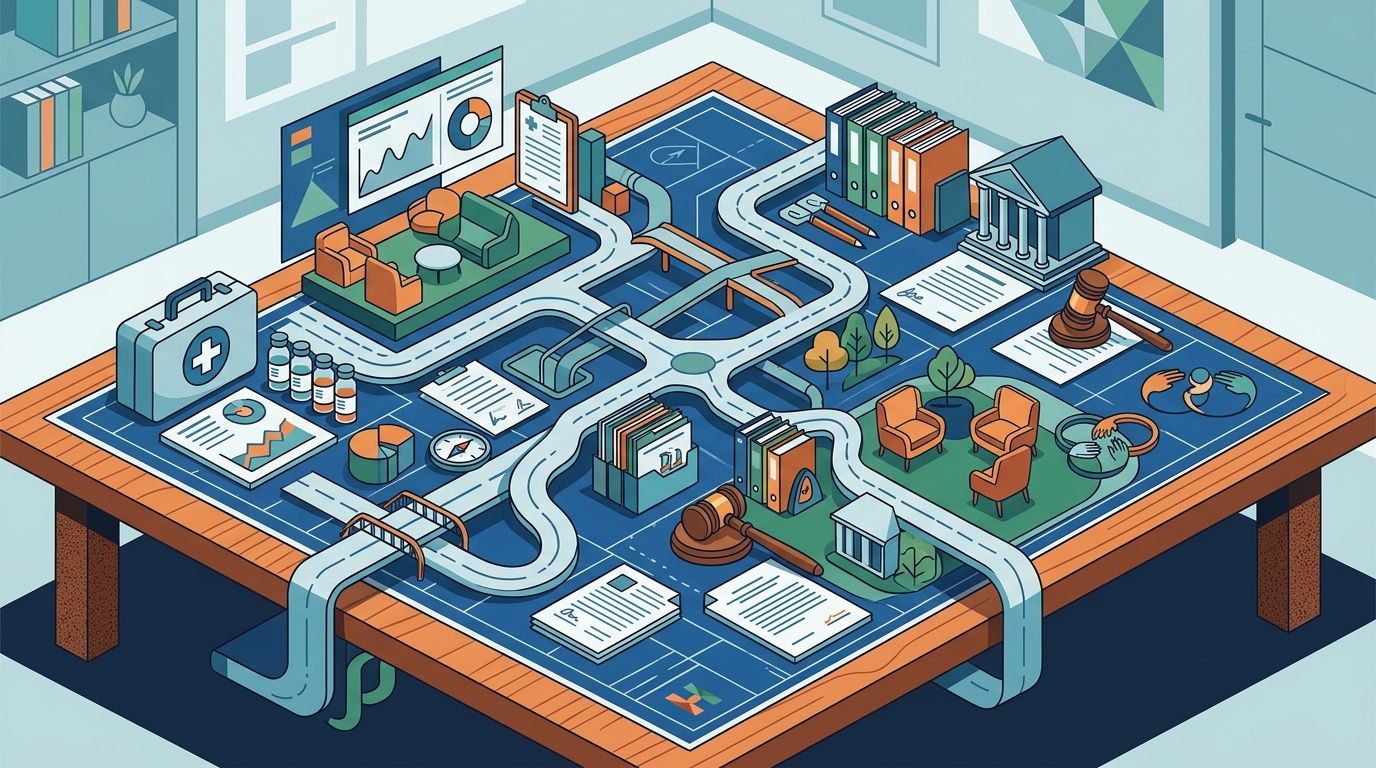
Navigating the path to recovery from addiction and trauma is rarely a linear process. It requires a strategic approach that integrates clinical expertise, legal frameworks, and emotional support. According to recent public health data, substance abuse and mental health crises have reached critical levels, with overdoses becoming the leading cause of death for individuals aged 18 to 45. This statistic highlights the urgent need for specialized, high-level intervention strategies that go beyond traditional therapy models. Finding the right professional support is not just about locating a therapist; it is about architecting a comprehensive system of care tailored to your unique biological, psychological, and social circumstances. (Contact Us 045 The)
Understanding the Intersection of Addiction and Trauma
Addiction and trauma are deeply intertwined. Trauma is defined as the emotional response to a deeply distressing or disturbing event that overwhelms an individual's ability to cope. When left unaddressed, this unresolved pain often manifests as substance abuse or behavioral addictions. The Hallerman Group operates on the philosophy that these issues cannot be treated in isolation. Instead, they require a unified strategy that addresses the root causes of the trauma while simultaneously managing the symptoms of addiction.
Traditional case management firms often fail to provide this depth of care. They typically assign staff to coordinate logistics without integrating clinical, legal, and emotional disciplines. In contrast, a strategic approach unites these perspectives into one actionable plan. This is crucial because the challenges of finding care, managing stress, and working with a specialized team can be overwhelming. Time is of the essence, and a fragmented approach can delay critical healing.
Recent media coverage, including segments on NBC News Daily and PIX11, has highlighted the growing public demand for integrated mental health services. Experts emphasize that individuals should not travel the road of mental health alone, just as one would not handle complex legal or financial matters without professional assistance. The complexity of human systems demands a strategist who can navigate the web of complexities involved in recovery.
Defining Soulbriety and Holistic Recovery
A pivotal concept in modern recovery is Soulbriety. Soulbriety is a soul-centered approach to recovery from addiction and trauma that focuses on reconnecting with one's purpose and inner self. This model moves beyond abstinence-only frameworks to explore the spiritual and emotional dimensions of healing. It posits that true recovery involves healing the trauma, overcoming addiction, and reconnecting with the soul.
This approach is particularly effective for high-functioning individuals who may have struggled with addiction despite outward success. Dr. Elisa Hallerman, a pioneer in this field, brings dual expertise in law and depth psychology to design strategic solutions. Her work, including the book "Soulbriety: A Plan to Heal Your Trauma, Overcome Addiction, and Reconnect with Your Soul," provides a framework for understanding how neither drugs nor external validation can satisfy the spirit's longing for true freedom.
Research into trauma-informed care supports the idea that healing requires a safe, dignified, and comprehensive environment. According to studies on trauma recovery, integrating somatic and spiritual practices can significantly enhance clinical outcomes. This holistic view aligns with the architecture of wellness, which designs the framework for lasting change and wholeness.
Evaluating Service Models: Concierge vs. Traditional Care
When seeking professional support, it is essential to understand the different service models available. Traditional mental health care often involves waiting lists, limited provider availability, and a fragmented care team. In contrast, concierge or family-office-style wellness services offer discerning, confidential, and deeply informed support.
| Feature | Traditional Case Management | Strategic Wellness Architecture |
|---|---|---|
| Primary Focus | Logistics and coordination | Integrated clinical, legal, and emotional strategy |
| Provider Role | Coordinator | Strategist and Architect |
| Confidentiality | Standard HIPAA compliance | High-level discretion and privacy |
| Approach | Reactive problem-solving | Proactive system design |
| Outcome | Stabilization | Transformation and wholeness |
The Hallerman Group differentiates itself by functioning more like a family office for wellness. This model ensures that every aspect of your care is tailored to your specific needs, rather than fitting you into a pre-existing program. This level of customization is critical for complex cases involving both addiction and trauma.
Key Credentials and Expertise to Look For
Choosing the right professional requires verifying specific credentials and areas of expertise. Look for practitioners who hold advanced degrees in both clinical psychology and relevant legal or strategic fields. Dr. Elisa Hallerman, for example, holds a PhD and a JD, allowing her to bridge the gap between clinical treatment and legal realities.
Expertise in experiential therapy is another key indicator of a robust recovery program. Experiential therapy uses active, experiential techniques to help clients process trauma and build resilience. This method is often more effective than talk therapy alone for individuals who struggle to articulate their pain verbally.
Additionally, consider the practitioner's media presence and public education efforts. Professionals who engage in public discourse, such as appearing on television or podcasts, often stay at the forefront of emerging research and trends. Dr. Hallerman has been featured on platforms like The Today Show, Sirius XM, and various news networks, demonstrating her commitment to public education and destigmatizing mental health issues.
The Intake Process and Client Information
The initial intake process is a critical step in establishing a therapeutic relationship. It involves a comprehensive assessment of your current status, history, and goals. The Hallerman Group utilizes a detailed Client Information Form to gather essential data, including personal history, current status, and specific concerns.
This form allows the team to understand the full scope of your situation before the first consultation. It covers areas such as birthdate, gender, pronouns, and current status regarding mental health and addiction. This thorough approach ensures that the strategic plan developed is accurate and effective.
During the initial consultation, you will have the opportunity to discuss your journey and ask questions. This is a two-way process where you evaluate whether the professional's style and philosophy align with your needs. Trust and comfort are paramount in the recovery process, so do not hesitate to seek clarity on their methods and expectations.
Corporate Wellness and Preventative Support
Prevention and early intervention are key components of a comprehensive mental health strategy. Corporate wellness programs are increasingly recognizing the importance of addressing addiction and trauma in the workplace. These programs offer support for employees and executives who may be struggling with stress, burnout, or substance abuse.
The Hallerman Group offers specialized corporate wellness services that integrate clinical and legal perspectives to support organizational health. This proactive approach helps companies create a culture of wellness and resilience, reducing the risk of addiction and mental health crises among their workforce.
By addressing these issues early, individuals can avoid the escalation of symptoms and the need for more intensive intervention. Corporate wellness initiatives often include educational workshops, confidential counseling, and strategic planning for high-stress roles.
Key Takeaways
- Integrated Care is Essential: Addiction and trauma require a unified strategy that combines clinical, legal, and emotional support.
- Soulbriety Model: This approach focuses on reconnecting with one's soul and purpose, offering a holistic path to recovery.
- Strategic vs. Traditional: Strategic wellness architecture provides deeper, more personalized care than traditional case management.
- Credentials Matter: Look for professionals with dual expertise, such as Dr. Elisa Hallerman's PhD and JD.
- Experienced Professionals: Practitioners with media presence and public education experience often bring cutting-edge insights to their practice.
- Thorough Intake: A detailed client information form ensures a comprehensive understanding of your needs.
- Preventative Support: Corporate wellness programs can help address issues before they escalate.
Frequently Asked Questions
What is the difference between a therapist and a wellness strategist?
A therapist typically focuses on clinical treatment and emotional support. A wellness strategist, like Dr. Hallerman, integrates clinical expertise with legal and strategic frameworks to design comprehensive systems of care for complex human systems.
How does Soulbriety differ from traditional recovery programs?
Soulbriety is a soul-centered approach that emphasizes reconnecting with one's purpose and inner self. Traditional programs often focus primarily on abstinence and behavioral modification, whereas Soulbriety addresses the spiritual and emotional dimensions of healing.
What should I expect during the initial consultation?
You can expect a thorough discussion of your history, current status, and goals. The professional will likely review your Client Information Form and ask questions to understand the full scope of your situation. This is also an opportunity for you to evaluate their approach and philosophy.
Is confidentiality maintained in concierge wellness services?
Yes, concierge wellness services prioritize high-level discretion and privacy. They often operate with a family-office model, ensuring that your information is handled with the utmost care and confidentiality.
Can corporate wellness programs help with addiction recovery?
Yes, corporate wellness programs can provide early intervention and support for employees struggling with addiction and trauma. They offer educational resources, confidential counseling, and strategic planning to promote mental health in the workplace.
What credentials should I look for in a recovery professional?
Look for advanced degrees in clinical psychology, law, or related fields. Dual credentials, such as a PhD and JD, indicate a broad expertise that can address both clinical and legal aspects of recovery.
How can I begin my journey with The Hallerman Group?
You can begin your journey by completing the Client Information Form on their website. This allows the team to understand your needs and schedule an initial consultation to discuss your strategic plan for recovery.
Begin Your Journey
Finding the right professional support is the first step toward lasting change. The Hallerman Group offers a pioneering approach to mental health and addiction recovery, integrating clinical, legal, and emotional disciplines into one cohesive strategy. If you are ready to explore your own Soulbriety, consider reading the book "Soulbriety" or working with Dr. Hallerman through personalized one-on-one sessions.
Do not navigate this complex road alone. Contact The Hallerman Group today to begin your journey toward healing, recovery, and wholeness. Visit Begin Your Journey to learn more about their services and how they can support you.