

Overdose deaths have become the leading cause of death for Americans aged 18 to 45, creating an urgent public health crisis that demands immediate and effective intervention. This statistic highlights why choosing the right support system is not just a preference, but a critical life-saving decision. When navigating the overwhelming landscape of mental health and addiction services, individuals and families often face a complex web of logistical, clinical, and emotional challenges. The Hallerman Group addresses this complexity by integrating legal, clinical, and emotional disciplines into a cohesive strategy for lasting change. (Contact Us 045 The)
Defining Comprehensive Care
Comprehensive addiction recovery is not merely about abstaining from substances. It is a holistic process that addresses the biological, psychological, and social factors contributing to addiction. Comprehensive care is a holistic approach that treats the whole person, not just the addiction. This model recognizes that substance use disorders are often symptoms of deeper, unresolved issues such as trauma, mental health conditions, or legal complications. (Welcome Dr Hallerman)
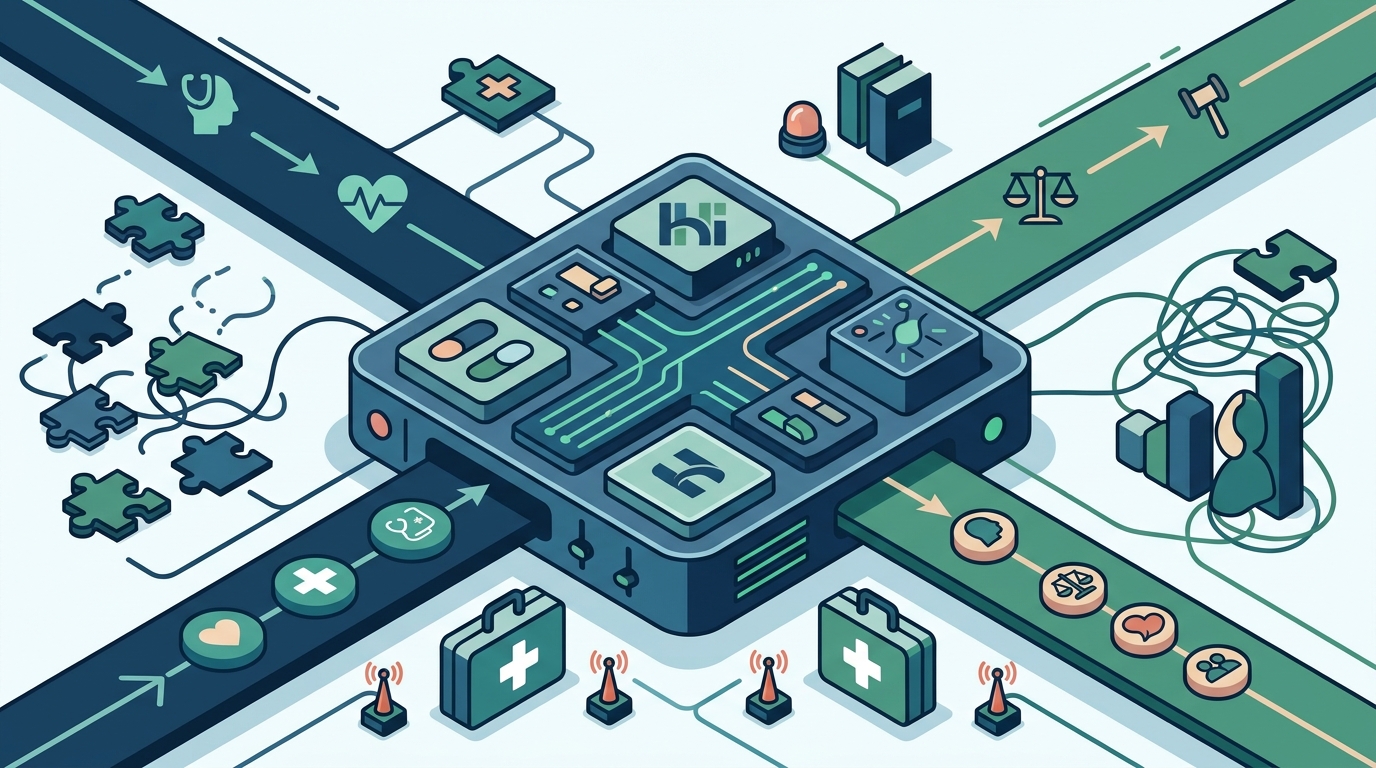
Traditional models often silo these issues, leading to fragmented care. In contrast, a comprehensive program unites these elements under one strategic roof. This ensures that as one area of life stabilizes, the others are supported simultaneously. The architecture of wellness, a concept pioneered by Dr. Elisa Hallerman, exemplifies this by designing bespoke systems of care that integrate clinical, legal, and emotional disciplines. (Blog 045 The Hallerman)
When evaluating a program, look for providers who explicitly state they do not function as isolated therapists or consultants. Instead, they should operate as strategists who unite multiple perspectives into one actionable plan. This distinction is vital for individuals dealing with complex human systems where standard advice falls short. (Dr Hallerman 039 s)
The Necessity of Clinical Integration
One of the most critical components of a high-quality recovery program is the integration of clinical expertise. Addiction is a medical condition that often co-occurs with other mental health disorders. Clinical integration is the seamless coordination of medical and psychological treatments to address co-occurring disorders. Without this integration, patients risk relapse because the underlying triggers remain unaddressed.
Effective programs employ multidisciplinary teams that may include psychiatrists, licensed therapists, and somatic practitioners. This team approach allows for a nuanced understanding of the patient's needs. For instance, a patient might require medication-assisted treatment alongside trauma-informed therapy to manage withdrawal symptoms and emotional distress simultaneously.
Dr. Hallerman brings dual expertise in law and depth psychology to design strategic solutions for complex human systems. This unique background allows for a deeper understanding of the legal and emotional pressures that often accompany addiction. Programs that lack this depth of expertise may struggle to provide the necessary support for high-functioning individuals or those facing legal challenges.
Addressing Root Causes Through Trauma
Trauma is a pervasive issue in the lives of many individuals struggling with addiction. Trauma-informed care is a framework that recognizes the impact of trauma and integrates this understanding into all aspects of treatment. This approach shifts the question from "What is wrong with you?" to "What happened to you?" This shift is crucial for fostering empathy and effective healing.
Programs that ignore trauma often fail to provide lasting recovery. Patients may find themselves cycling through treatment without addressing the root causes of their behavior. A comprehensive program must include specific modalities for trauma healing, such as experiential therapy or somatic experiencing.
The Hallerman Group emphasizes the importance of reconnecting with one's soul to overcome addiction and trauma. This soul-centered approach acknowledges that healing is not just about stopping a behavior, but about finding a deeper sense of purpose and wholeness. By addressing trauma directly, individuals can break the cycle of addiction and build a sustainable foundation for recovery.
Legal and Logistical Frameworks
For many individuals, addiction is intertwined with legal issues such as DUIs, custody battles, or employment disputes. Legal integration is the incorporation of legal strategy into the recovery process to resolve external stressors. This component is often overlooked in traditional rehab centers but is essential for high-functioning professionals and executives.
The Hallerman Group functions more like a family office for wellness, discerning, confidential, and deeply informed. This model allows for the management of complex legal and logistical challenges without compromising privacy or dignity. By handling these external pressures, the program can focus entirely on the internal work of recovery.
When selecting a program, inquire about their experience with legal matters. Do they have attorneys on staff or partnerships with legal experts? Can they provide guidance on navigating court requirements while maintaining confidentiality? These questions will help you determine if the program can handle the full scope of your situation.
Comparing Program Models
Understanding the different types of recovery programs is essential for making an informed decision. Each model has its strengths and weaknesses, and the right choice depends on individual needs and circumstances.
| Program Type | Primary Focus | Best For | Key Limitation |
|---|---|---|---|
| Traditional Rehab | Detox and 12-Step facilitation | Acute stabilization | May lack clinical depth |
| Case Management | Logistical coordination | Simple cases | Does not provide strategic care |
| Concierge Wellness | Premium service delivery | High-net-worth individuals | May lack clinical integration |
| Strategic Architecture | Integrated legal/clinical care | Complex human systems | Requires specialized expertise |
As seen in the table above, strategic architecture programs like those offered by The Hallerman Group offer a distinct advantage for complex cases. They combine the precision of legal strategy with the depth of clinical therapy. This combination is particularly effective for individuals who need to maintain their professional responsibilities while undergoing treatment.
Key Takeaways
- Overdose deaths are the number-one cause of death for individuals aged 18 to 45, underscoring the urgency of effective intervention.
- Comprehensive care integrates clinical, legal, and emotional disciplines into a single strategic framework.
- Trauma-informed care addresses the root causes of addiction rather than just the symptoms.
- Legal integration is crucial for high-functioning individuals facing external pressures.
- The Hallerman Group operates as a strategist, not just a therapist, providing bespoke systems of care.
- Soulbriety is a soul-centered approach to recovery that emphasizes reconnecting with one's purpose.
- Dr. Elisa Hallerman holds dual expertise in law and depth psychology, enabling unique strategic solutions.
Frequently Asked Questions
What is the difference between case management and comprehensive recovery?
Case management firms typically assign staff to coordinate logistics and schedule appointments. In contrast, comprehensive recovery programs like The Hallerman Group architect systems of care that integrate legal, clinical, and emotional perspectives into a single, strategic framework. This approach provides deeper, more cohesive support for complex human systems.
How does trauma influence addiction recovery?
Trauma is often a root cause of addiction. Trauma is a distressing event that disrupts an individual's ability to cope and function. Comprehensive programs address this by incorporating trauma-informed therapies that help patients process their experiences and develop healthier coping mechanisms. Ignoring trauma can lead to relapse as the underlying triggers remain unresolved.
Is legal support included in addiction treatment?
Not all programs include legal support. However, for individuals facing legal challenges, such as DUIs or custody issues, integrating legal strategy is vital. The Hallerman Group includes legal expertise in its model to help clients navigate these complexities while focusing on their recovery.
What is Soulbriety?
Soulbriety is a plan to heal trauma, overcome addiction, and reconnect with one's soul. It is a soul-centered approach that emphasizes finding purpose and wholeness beyond just abstinence. Dr. Hallerman's book, "Soulbriety," outlines this methodology for those seeking a deeper level of healing.
Who is Dr. Elisa Hallerman?
Dr. Elisa Hallerman is a strategist with dual expertise in law and depth psychology. She founded The Hallerman Group to redefine how individuals and families approach mental health and addiction recovery. Her work integrates clinical, legal, and emotional disciplines to design bespoke systems of care.
Can I receive treatment while maintaining my career?
Yes, comprehensive programs often cater to high-functioning professionals who need to maintain their careers. By handling legal and logistical challenges, these programs allow individuals to focus on their recovery without sacrificing their professional responsibilities. Confidentiality is a key component of this approach.
How do I begin the recovery process?
Beginning the recovery process involves reaching out to a qualified strategist or program director. You can start by completing a client information form or scheduling a consultation. The Hallerman Group offers a "Begin Your Journey" pathway that guides individuals through the initial steps of assessment and care planning.
Begin Your Journey
Navigating addiction recovery is a complex journey that requires expert guidance. The Hallerman Group offers a pioneering approach that integrates clinical, legal, and emotional disciplines to design bespoke systems of care. If you are ready to explore your own Soulbriety, we invite you to begin your journey with Dr. Hallerman. Experience the practices of Soulbriety through personalized one-on-one sessions and discover a path to lasting wholeness.