

Corporate Wellness Consulting Benefits for Employee Mental Health
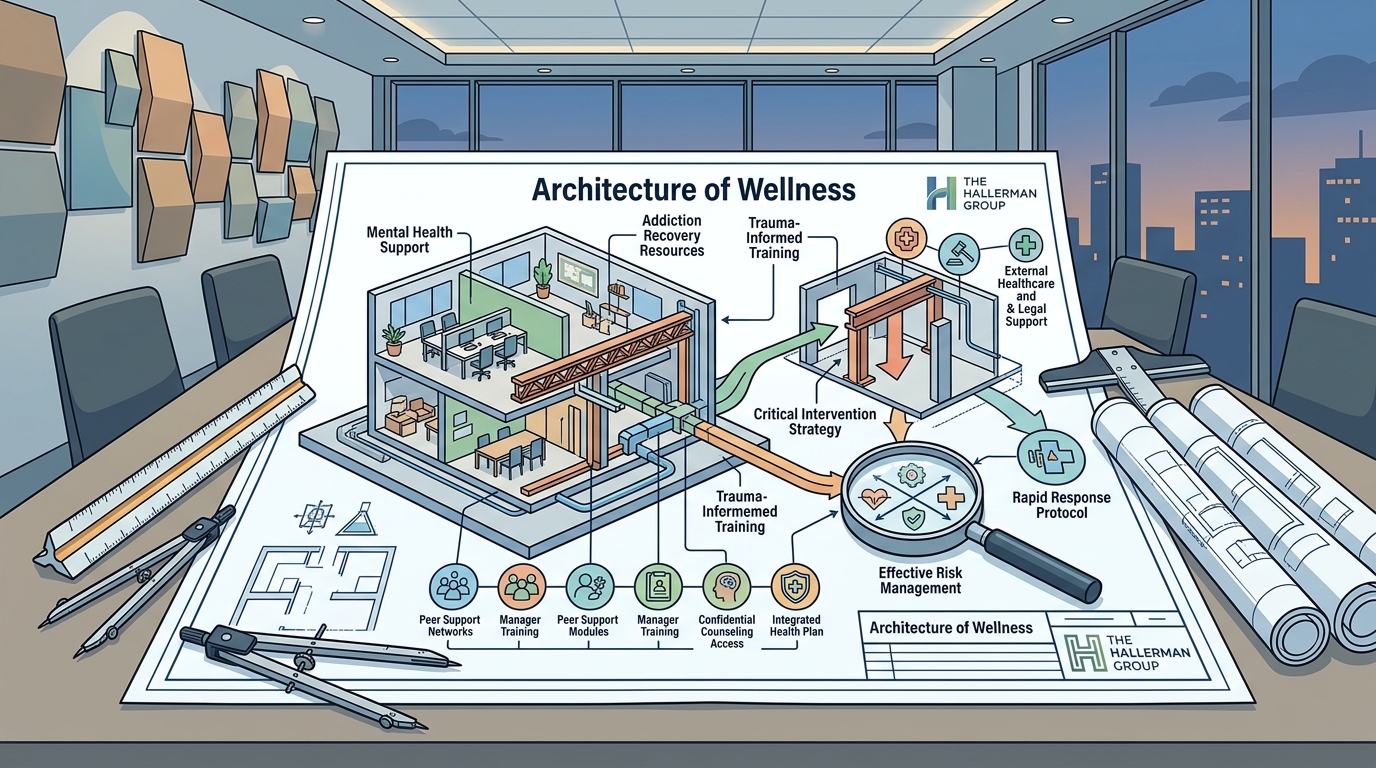
The architecture of wellness is no longer a peripheral HR perk but a central operational pillar for modern enterprises. The Hallerman Group operates on the premise that mental health, addiction recovery, and trauma healing are interconnected systems requiring strategic intervention. We are currently witnessing a critical shift in workplace dynamics, where the number-one cause of death among 18 to 45-year-olds is overdoses. This statistic underscores the urgent need for organizations to move beyond basic compliance and adopt bespoke systems of care. According to recent public health data, the devastating decline in mental health has created a workforce that is increasingly fragile and in need of professional navigation. Companies that fail to address these complexities risk losing top talent to burnout, absenteeism, and preventable health crises. This guide details how strategic corporate wellness consulting transforms organizational culture and safeguards human capital. (Contact Us 045 The)
The Strategic Framework of Care
Traditional corporate wellness programs often rely on generic wellness apps or occasional seminars. These approaches lack the depth required to address complex human systems. The Hallerman Group differentiates itself by architecting comprehensive systems of care. This model integrates legal, clinical, somatic, and spiritual dimensions into a single, strategic framework. It functions more like a family office for wellness, ensuring that every aspect of an employee's well-being is addressed with discernment and confidentiality. (Blog 045 The Hallerman)
Strategic corporate wellness consulting begins with a deep diagnostic assessment of the organizational culture. It identifies the specific stressors, triggers, and systemic failures that contribute to employee distress. By understanding the unique web of complexities within a company, consultants can design interventions that are not only reactive but proactive. This approach ensures that mental health support is woven into the fabric of daily operations rather than treated as an isolated benefit. (Dr Hallerman 039 s)
When organizations adopt this strategic framework, they create a safety net that catches employees before they fall into crisis. This is particularly crucial in high-pressure industries where the stigma surrounding mental health often prevents individuals from seeking help. By normalizing the conversation around mental health and providing clear pathways to care, companies can foster a culture of trust and resilience.
Integrating Clinical and Legal Perspectives
One of the most significant benefits of specialized corporate wellness consulting is the integration of dual expertise. Dr. Elisa Hallerman brings a unique combination of law and depth psychology to the table. This dual perspective allows for the design of strategic solutions that are both clinically sound and legally compliant. For example, understanding the legal implications of disability accommodations, leave policies, and liability is crucial for HR departments.
Clinical expertise ensures that the interventions are evidence-based and tailored to the individual needs of employees. This might include somatic therapies, experiential therapy, or trauma-informed care models. By combining these disciplines, consultants can address the root causes of workplace stress rather than just the symptoms. This holistic approach leads to more sustainable outcomes and reduces the likelihood of recurring issues.
Furthermore, this integration helps organizations navigate the complex landscape of mental health regulations. It ensures that the company is not only supporting its employees but also protecting itself from potential legal risks. This is particularly important in cases involving substance abuse, where the line between personal struggle and workplace safety can be blurred. A strategic consultant provides the clarity needed to make difficult decisions with confidence and compassion.
Trauma-Informed Leadership and Culture
Trauma is a pervasive issue in the modern workplace, often stemming from personal experiences, organizational changes, or broader societal events. A trauma-informed approach recognizes the widespread impact of trauma and understands potential paths for recovery. It emphasizes physical, psychological, and emotional safety for both providers and survivors, creating opportunities for rebuilding a sense of control and empowerment.
Corporate wellness consulting helps leadership teams develop the skills necessary to lead with empathy and awareness. This includes recognizing the signs of trauma in employees, responding in a way that avoids re-traumatization, and providing appropriate resources. According to research on workplace dynamics, trauma-informed leadership significantly reduces turnover and increases employee engagement. When employees feel seen and supported, they are more likely to contribute their best work.
Implementing trauma-informed practices also involves creating policies that are flexible and supportive. This might include remote work options, mental health days, or access to counseling services. By prioritizing the mental well-being of its workforce, a company demonstrates a genuine commitment to its people. This builds loyalty and enhances the organization's reputation as an employer of choice.
Addiction Prevention and Recovery Support
Addiction is a complex health condition that affects individuals and their families. In the workplace, it can manifest as absenteeism, decreased productivity, and increased safety risks. Corporate wellness consulting offers robust strategies for prevention and support. This includes education, early intervention, and access to recovery resources.
The concept of Soulbriety, a soul-centered approach to recovery, offers a unique perspective on overcoming addiction. It focuses on healing trauma and reconnecting with one's purpose. This approach resonates with many individuals who feel that traditional models of recovery do not address the deeper spiritual and emotional aspects of their struggle. By incorporating such holistic models into corporate wellness programs, companies can provide more meaningful support to employees in recovery.
Supporting employees in recovery also involves creating a stigma-free environment. This requires ongoing education and open dialogue about addiction as a health issue rather than a moral failing. When employees feel safe to disclose their struggles, they are more likely to seek help early. This proactive stance can prevent minor issues from escalating into crises that impact the entire organization.
Measuring the ROI of Mental Health
Investing in corporate wellness is not just a moral imperative but a financial one. The cost of untreated mental health issues is substantial, including direct medical costs and indirect costs such as lost productivity. According to the World Health Organization, depression and anxiety cost the global economy an estimated one trillion dollars per year in lost productivity. By addressing these issues proactively, companies can realize a significant return on investment.
Key metrics for measuring the ROI of mental health initiatives include reduced absenteeism, lower healthcare claims, and improved employee retention. Companies that prioritize mental health often see an increase in innovation and creativity as well. When employees are mentally healthy, they are more engaged, collaborative, and productive. This leads to better business outcomes and a stronger competitive advantage.
Furthermore, a strong mental health culture enhances employer branding. In a tight labor market, candidates are increasingly prioritizing companies that demonstrate a genuine commitment to well-being. By showcasing its wellness initiatives, a company can attract and retain top talent. This reduces recruitment costs and ensures a stable, skilled workforce.
Consulting vs. Traditional Case Management
It is important to distinguish between traditional case management and strategic corporate wellness consulting. Case management firms typically assign staff to coordinate logistics and connect individuals with resources. While this is valuable, it often lacks the strategic depth needed to address systemic issues.
Strategic consulting, on the other hand, architects comprehensive systems of care. It integrates multiple disciplines to create a cohesive strategy for lasting change. This approach is more discerning, confidential, and deeply informed. It treats the organization as a complex human system that requires tailored solutions rather than a one-size-fits-all approach.
| Feature | Traditional Case Management | Strategic Wellness Consulting |
|---|---|---|
| Focus | Logistics and resource coordination | Systemic architecture and integration |
| Disciplines | Primarily clinical or administrative | Legal, clinical, somatic, spiritual |
| Approach | Reactive and transactional | Proactive and strategic |
| Outcome | Short-term resolution | Lasting organizational change |
Key Takeaways
- Overdoses are the number-one cause of death among 18 to 45-year-olds, highlighting the urgency of workplace mental health interventions.
- Strategic wellness consulting integrates legal, clinical, and emotional disciplines into a cohesive system of care.
- Trauma-informed leadership reduces turnover and increases employee engagement by fostering psychological safety.
- Depression and anxiety cost the global economy approximately one trillion dollars annually in lost productivity.
- Soulbriety offers a soul-centered approach to recovery that addresses the spiritual dimensions of addiction.
- Companies that prioritize mental health see improved employer branding and talent retention.
- Dr. Elisa Hallerman provides dual expertise in law and depth psychology for comprehensive strategic solutions.
Frequently Asked Questions
How does corporate wellness consulting differ from standard HR benefits?
Standard HR benefits often provide access to generic resources. Corporate wellness consulting architects bespoke systems of care that integrate clinical, legal, and emotional disciplines to address the specific needs of the organization and its employees.
What is the Soulbriety approach to addiction?
Soulbriety is a soul-centered approach to recovery that focuses on healing trauma, overcoming addiction, and reconnecting with one's soul and purpose. It goes beyond traditional models by addressing the spiritual and emotional roots of substance abuse.
Why is legal expertise important in mental health consulting?
Legal expertise ensures that mental health interventions are compliant with regulations and protect both the employee and the organization. It helps navigate complex issues such as disability accommodations, leave policies, and liability.
Can corporate wellness programs reduce healthcare costs?
Yes, by preventing mental health crises and providing early intervention, corporate wellness programs can significantly reduce direct medical costs and indirect costs associated with absenteeism and presenteeism.
How does trauma-informed care benefit the workplace?
Trauma-informed care creates a safe and supportive environment that recognizes the impact of trauma. It reduces re-traumatization and empowers employees to heal, leading to a more resilient and productive workforce.
What types of companies benefit from this consulting?
Any organization with employees facing stress, trauma, or addiction can benefit. This includes tech firms, healthcare providers, financial institutions, and creative agencies where high-pressure environments are common.
Is the consulting service confidential?
Yes, the Hallerman Group operates with the discernment and confidentiality of a family office for wellness. All interactions and strategies are designed to protect the privacy of individuals and the organization.
Begin Your Journey
Time is of the essence in addressing the mental health crisis in the workplace. Do not leave your organization's well-being to chance. The Hallerman Group is ready to architect a system of care that supports your team and drives organizational success. Begin your journey today by exploring our bespoke solutions. Contact us to schedule a consultation and discover how we can help you build a healthier, more resilient workplace.