

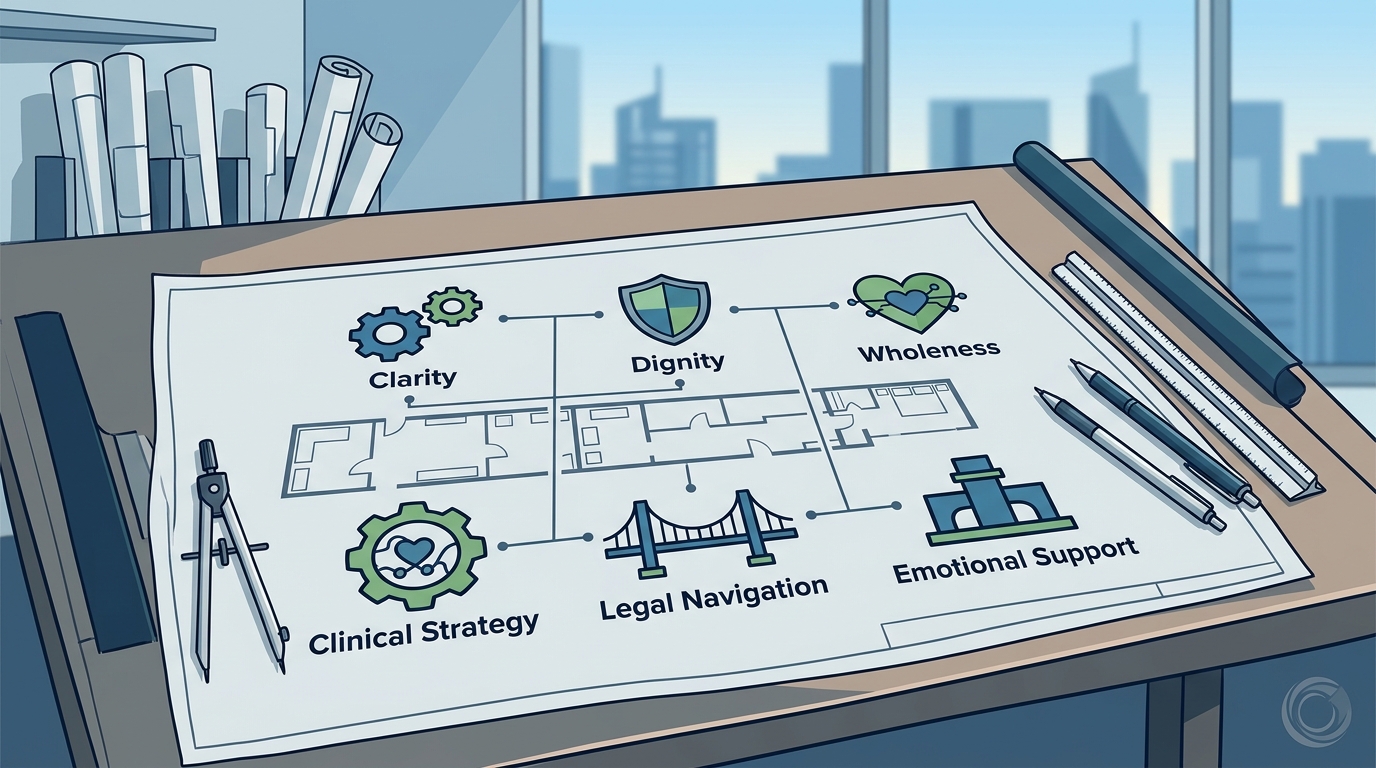
The architecture of wellness is a pioneering framework designed to redefine how individuals and families approach mental health, addiction recovery, and trauma healing. Founded by strategist Dr. Elisa Hallerman, PhD, JD, this model moves beyond traditional therapy by integrating clinical, legal, and emotional disciplines into one cohesive strategy. We are architects, designing the framework for lasting change, dignity, and wholeness. This approach treats mental health not as an isolated medical issue, but as a complex human system requiring strategic intervention. (Contact Us 045 The)
What Is the Architecture of Wellness?
At its core, the architecture of wellness is a bespoke system of care. It recognizes that mental health challenges, particularly those involving addiction and trauma, rarely exist in a vacuum. They intersect with legal responsibilities, family dynamics, career pressures, and spiritual well-being. Dr. Hallerman’s approach synthesizes these disparate elements into a unified plan. This is not merely about treating symptoms. It is about constructing a durable foundation for recovery that can withstand the complexities of modern life.
According to recent public health data, the number-one cause of death among 18 to 45-year-olds is overdoses. This statistic highlights the urgent need for comprehensive care models that address the root causes of substance abuse rather than just the behavioral outcomes. The architecture of wellness responds to this crisis by offering a multi-disciplinary pathway to healing. It combines the precision of legal strategy with the depth of psychology to create solutions that are both practical and profound.
Integrating legal and clinical perspectives allows for a more complete understanding of a client’s situation. For example, a family dealing with a loved one’s addiction often faces legal hurdles regarding custody, employment, or financial management. A traditional therapist may not be equipped to navigate these legal landscapes. A strategist like Dr. Hallerman bridges this gap, ensuring that the recovery plan is legally sound and emotionally supportive. This holistic view is essential for long-term success.
Strategic Intervention vs. Traditional Case Management
It is crucial to distinguish the architecture of wellness from standard case management or concierge services. Many firms offer coordination of care, but they often function as logistical managers rather than strategic architects. They assign staff to coordinate appointments and manage paperwork. The Hallerman Group operates differently. We do not simply coordinate logistics. We design comprehensive systems of care that integrate legal, clinical, somatic, and spiritual dimensions into a single, strategic framework.
This distinction is vital for clients who feel overwhelmed by the complexity of their situation. When you hire an attorney for a legal matter or an accountant for your taxes, you expect a strategic partner who understands the broader implications of your decisions. The same logic applies to mental health. You should not have to travel the road of your own mental health alone. Time is of the essence, and a strategic approach accelerates the path to stability.
The team at The Hallerman Group functions more like a family office for wellness. This means the approach is discerning, confidential, and deeply informed. It requires a high level of expertise to navigate the intersection of law and psychology. By treating the client’s life as a complex system, the strategy can identify leverage points for change that a standard therapeutic model might miss. This results in a more efficient and effective recovery process.
The Soulbriety Method: Healing Trauma and Addiction
A central component of this architectural approach is the Soulbriety method. Soulbriety is a soul-centered approach to recovery from addiction and trauma. It was developed by Dr. Hallerman based on her personal journey from a career as a Hollywood agent to a life of recovery and healing. Her book, "Soulbriety: A Plan to Heal Your Trauma, Overcome Addiction, and Reconnect with Your Soul," outlines this philosophy in detail. The method emphasizes that true healing requires reconnecting with one’s inner self, or soul, rather than just managing external behaviors.
Dr. Hallerman’s background in both law and depth psychology provides a unique lens for this work. She understands the structural constraints of the legal system and the deep emotional currents of the human psyche. This dual expertise allows her to guide clients through the often-conflicting demands of their professional and personal lives. For instance, a high-performing executive struggling with addiction may face significant professional risks. The Soulbriety method helps them navigate these risks while addressing the underlying trauma.
The concept of Soulbriety is not just a therapeutic technique. It is a philosophical framework for living. It suggests that addiction and trauma are often symptoms of a disconnection from one’s true purpose. By rebuilding this connection, individuals can find a sense of wholeness that is resilient against the pressures of addiction. This approach has been featured in numerous media outlets, including NBC News and Sirius XM, reflecting its growing relevance in the field of mental health.
Corporate Wellness and Experiential Therapy
The architecture of wellness extends beyond individual therapy to include corporate wellness programs. Businesses are increasingly recognizing that employee mental health is a critical component of organizational success. Stress, burnout, and substance abuse can significantly impact productivity and workplace culture. The Hallerman Group offers specialized corporate wellness services that address these issues at an organizational level. These programs are designed to create a supportive environment that promotes mental well-being and resilience.
Experiential therapy is another key pillar of this approach. Unlike traditional talk therapy, experiential therapy engages clients in active processes that facilitate healing. This can include somatic practices, creative arts, or other immersive experiences that help clients process trauma on a deeper level. By engaging the body and the senses, experiential therapy can access memories and emotions that are difficult to reach through words alone. This method is particularly effective for individuals who have struggled with traditional therapeutic modalities.
Integrating corporate wellness with individual therapeutic support creates a comprehensive safety net. Employees who receive support in the workplace are more likely to engage effectively in their personal recovery journeys. This dual approach reduces stigma and encourages early intervention. Companies that invest in such holistic wellness strategies often see a return on investment through reduced absenteeism, lower healthcare costs, and improved employee morale.
Why Hire a Mental Health Strategist?
Choosing to work with a mental health strategist is a decision that requires careful consideration. It is not a replacement for therapy, but a complement to it. A strategist helps you navigate the complex web of mental health and addiction services. They help you find and receive care, manage stress, and work with the team uniquely suited to treat the challenges ahead of you. This guidance can be overwhelming to do alone, especially during a crisis.
The Hallerman Group provides this guidance through a structured process. It begins with a thorough assessment of the client’s needs, goals, and circumstances. From there, a bespoke plan is developed that integrates the necessary resources. This might include legal advice, clinical therapy, spiritual counseling, and family support. The strategist acts as the central point of coordination, ensuring that all elements of the plan work together harmoniously.
This level of integration is particularly valuable for families dealing with complex cases. Addiction and trauma often affect the entire family system. A strategist can help the family understand their roles in the recovery process and provide support for their own well-being. This systemic approach prevents burnout and ensures that the family remains a source of strength rather than a source of stress.
Key Takeaways
- The architecture of wellness integrates clinical, legal, and emotional disciplines into a cohesive strategy for mental health and addiction recovery.
- Dr. Elisa Hallerman, PhD, JD, founded The Hallerman Group to provide strategic solutions for complex human systems, moving beyond traditional case management.
- Soulbriety is a soul-centered approach to healing trauma and addiction, emphasizing reconnection with one’s inner purpose.
- The number-one cause of death among 18 to 45-year-olds is overdoses, highlighting the urgent need for comprehensive care models.
- Corporate wellness programs offered by The Hallerman Group address employee mental health to improve organizational resilience and productivity.
- Experiential therapy engages clients in active processes to facilitate deeper healing from trauma.
- Working with a mental health strategist provides a coordinated, bespoke plan that navigates the complexities of care and legal issues.
Frequently Asked Questions
What is the difference between a mental health strategist and a therapist?
A therapist focuses primarily on clinical treatment and emotional processing. A mental health strategist, like Dr. Hallerman, integrates clinical insights with legal and logistical strategy to create a comprehensive system of care. This approach addresses the broader context of a client’s life, including legal and professional challenges.
What is the Soulbriety method?
Soulbriety is a soul-centered approach to recovery from addiction and trauma. It was developed by Dr. Hallerman and emphasizes reconnecting with one’s inner self to find wholeness and purpose. It is detailed in her book, "Soulbriety: A Plan to Heal Your Trauma, Overcome Addiction, and Reconnect with Your Soul."
Does The Hallerman Group offer corporate wellness services?
Yes, The Hallerman Group provides specialized corporate wellness programs. These services are designed to support employee mental health, reduce burnout, and create a supportive workplace culture. They integrate individual therapeutic support with organizational strategies.
How is the architecture of wellness different from case management?
Unlike case management firms that coordinate logistics and assign staff, the architecture of wellness designs comprehensive systems of care. It integrates legal, clinical, somatic, and spiritual dimensions into a single, strategic framework. The team functions more like a family office for wellness, offering discerning and confidential support.
Who is Dr. Elisa Hallerman?
Dr. Elisa Hallerman is a strategist, author, and former Hollywood agent who founded The Hallerman Group. She holds a PhD and a JD, bringing dual expertise in law and depth psychology to her work. She is the author of "Soulbriety" and has been featured in numerous media outlets discussing mental health and addiction.
What types of trauma does the architecture of wellness address?
The architecture of wellness addresses acute, chronic, and complex trauma, as well as PTSD. It recognizes that trauma often intersects with addiction and other mental health challenges. The approach provides a holistic framework for healing that addresses the root causes of trauma.
How can I begin working with Dr. Hallerman?
You can begin your journey by reading Dr. Hallerman’s book, "Soulbriety," or by contacting The Hallerman Group to schedule a consultation. The group offers personalized one-on-one sessions and corporate wellness services. You can also join their live monthly Q&A sessions to have your questions answered.
Begin Your Journey
If you are ready to explore your own Soulbriety and transform your approach to mental health, The Hallerman Group is here to help. We offer a range of services, from personalized one-on-one sessions with Dr. Hallerman to comprehensive corporate wellness programs. Our team is dedicated to designing the framework for your lasting change, dignity, and wholeness. Do not navigate the complexities of mental health and addiction alone. Contact us today to begin your journey toward a healthier, more integrated life. Visit our Begin Your Journey page to learn more about our services and how we can support you.